SUSTAINABILITY
Sustainability in action
Shared infrastructure, innovation and environmental excellence at the service of the sector
THE SUSTAINABLE MISSION
The environmental standard of the leather industry
Leather Cluster Barcelona leads the environmental transition of the sector with shared facilities, circular-economy projects and digital traceability.
The biological treatment plant of the Rec, by-product valorisation plants, artificial intelligence and blockchain: concrete investments that reduce water, waste and chemical footprint.
The annual Sustainability Report will publish metrics aligned with GRI, SDGs and LWG — the sector benchmark brands and institutions expect from a European cluster.
SUSTAINABILITY
The IDR treatment plant is the environmental heart of the Rec: shared infrastructure that makes a more efficient leather industry, respectful of the territory, possible.
THE SUSTAINABLE MISSION
Strategic Pillars of Sustainable Commitment
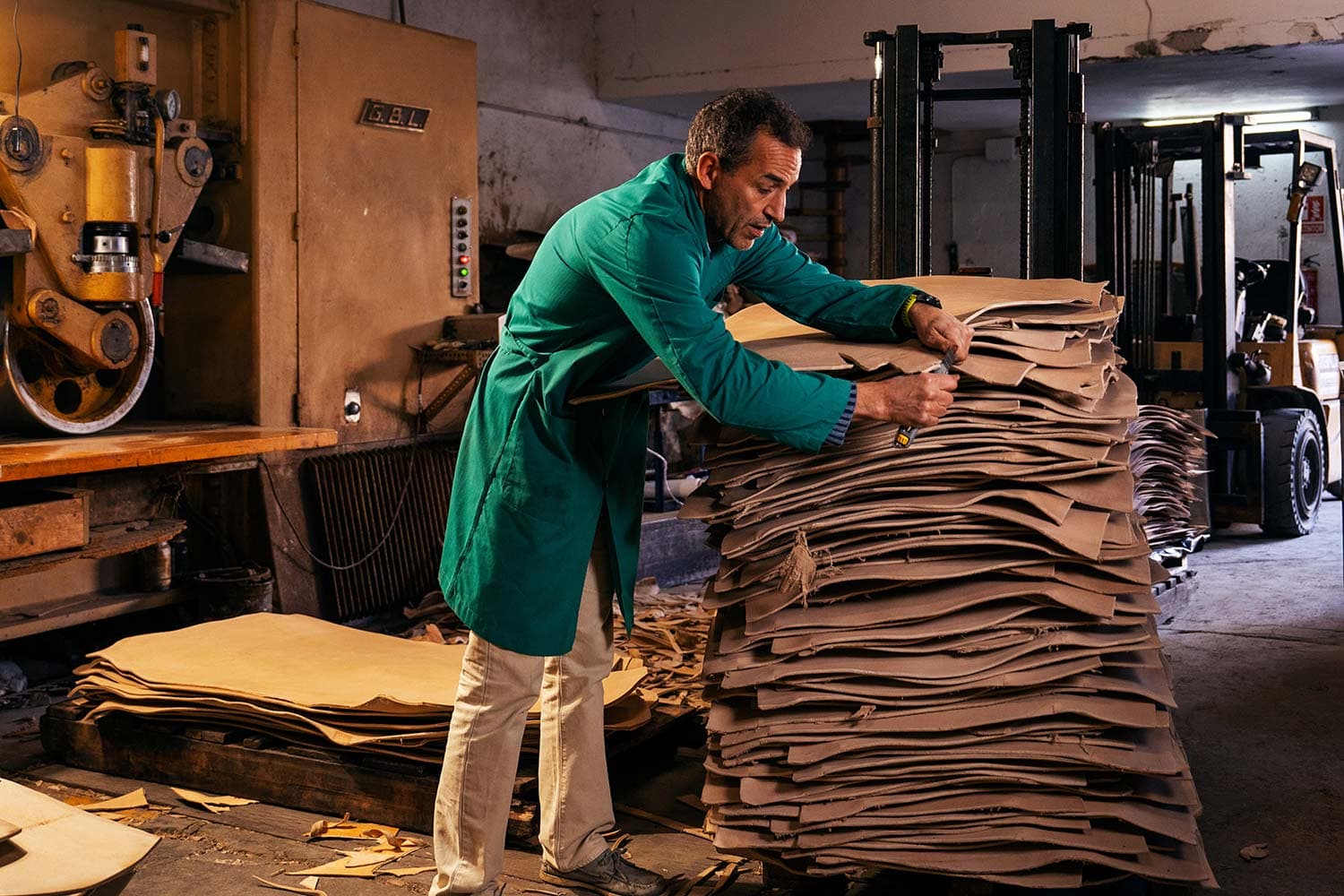
Traceability from the origin
Environmental commitment begins before tanning. We work in direct collaboration with the livestock and food sectors to guarantee the responsible origin of hides. Every stage of the process is fully documented to give international firms maximum assurance in terms of compliance and raw-material provenance.
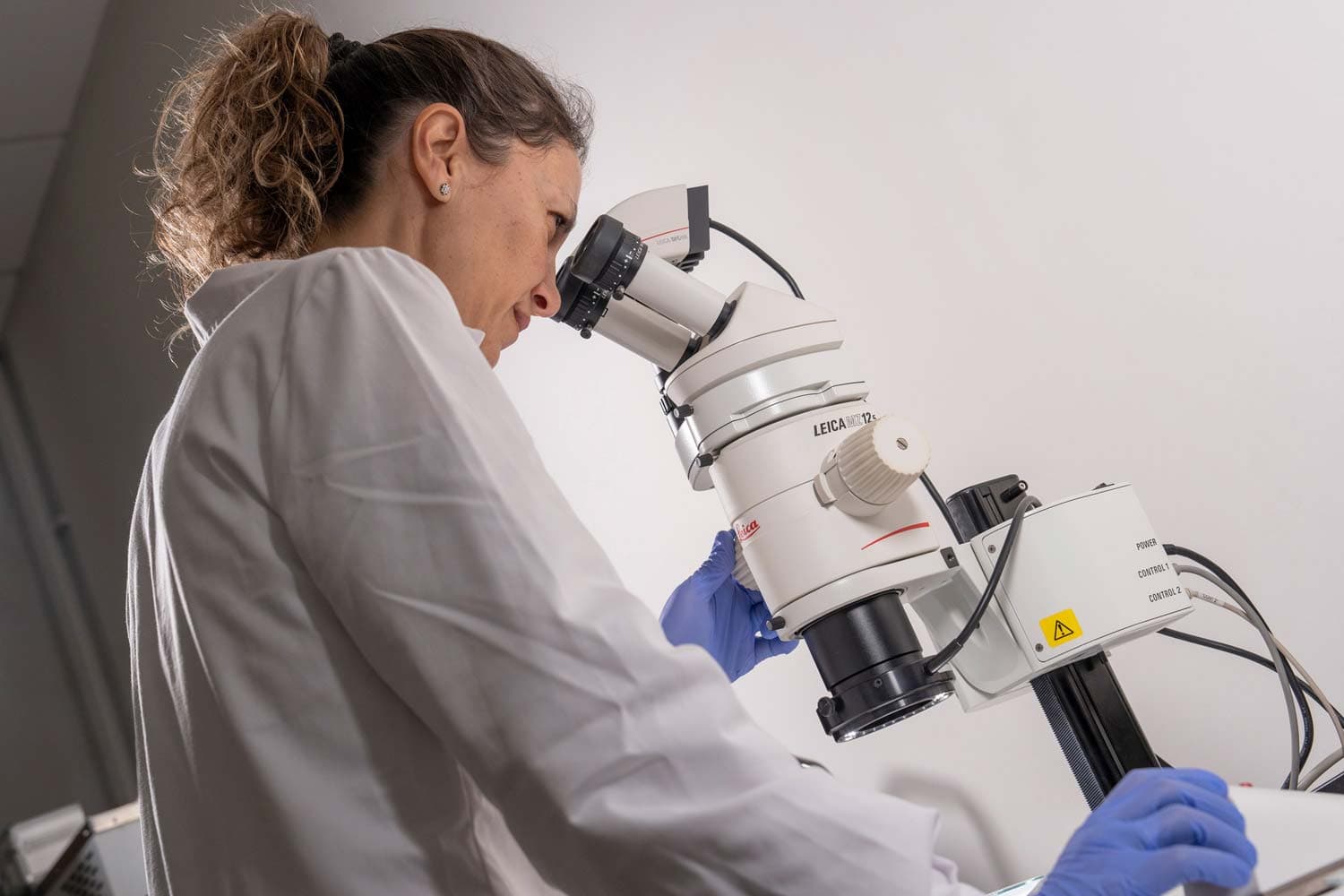
Advanced chemistry and applied research
Through its alliance with the A3 Leather Innovation Center of the University of Lleida (UdL), the cluster drives the replacement of traditional components with state-of-the-art eco-friendly chemical formulations. This ongoing research reduces the impact of processes without altering the technical performance or excellence of the final product.
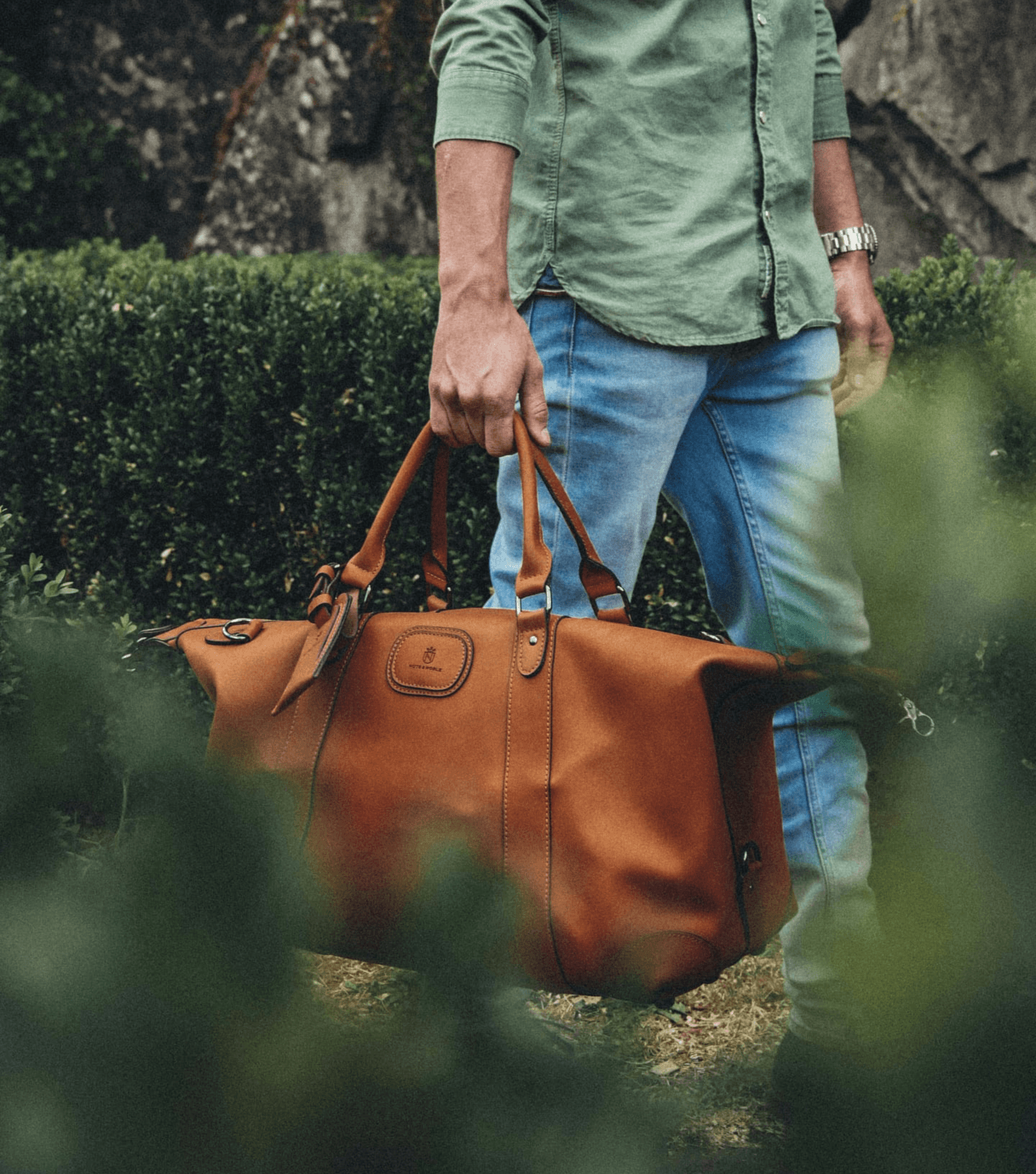
Reducing the water and energy footprint
Continuous process optimisation has turned the district’s factories into highly efficient infrastructure. Applying the Best Available Techniques (BAT) optimises machinery performance, minimising energy consumption and rationalising water use per unit produced.
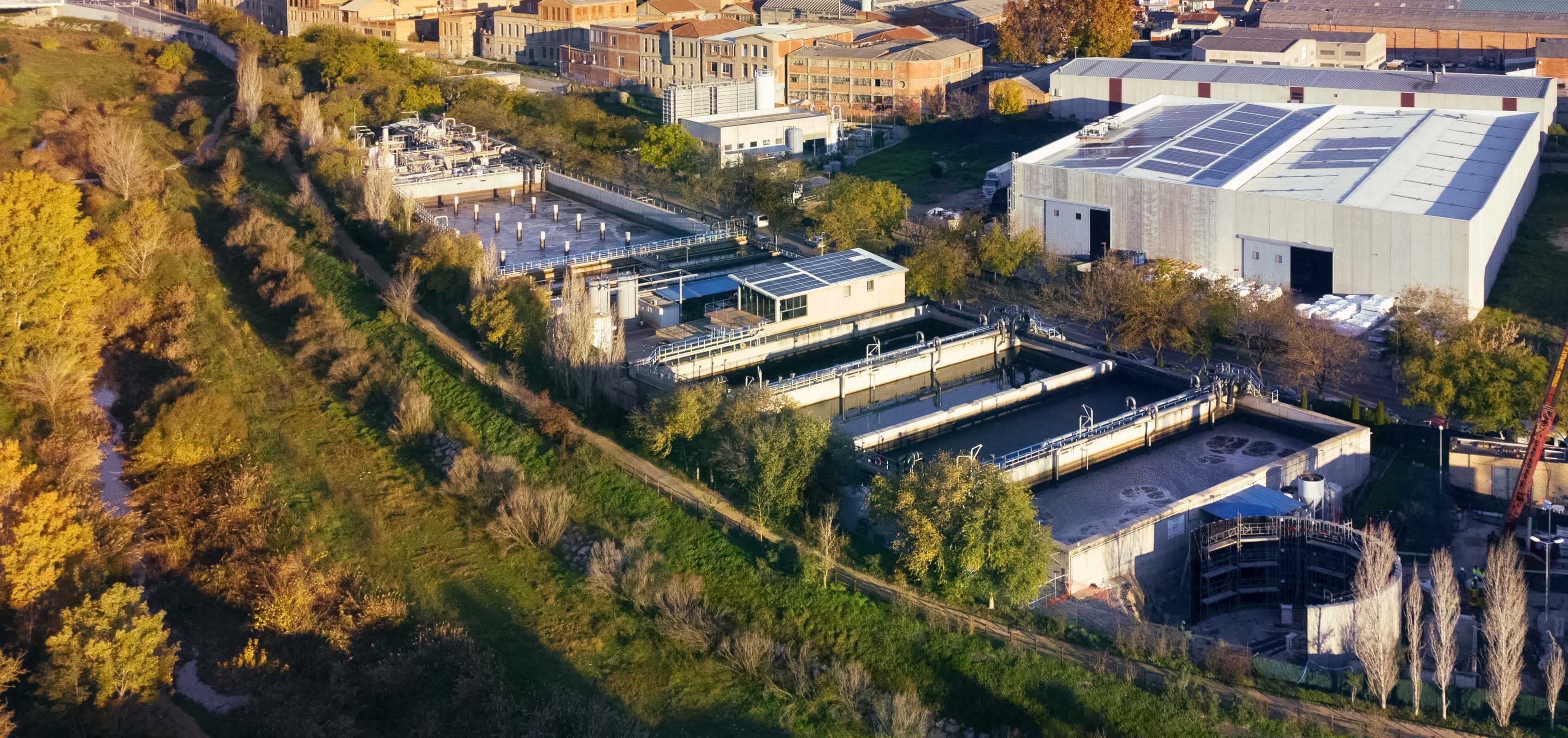
IDR
The IDR Treatment Plant: a pioneering green infrastructure
Shared water management in the Rec district is the pillar of the organisation’s environmental policy. Operated collectively by 28 tanning companies in the district, the IDR treatment plant is a pioneering model in Europe thanks to its biological treatment system. Over the last two decades, this collective infrastructure has reached historic milestones in resource management, cutting both water consumption per unit produced and the pollutant load at source by 50%.
The application of these best techniques guarantees the safe return of treated water in line with the most demanding environmental standards to protect the river basin. This integrated ecosystem ensures the viability of the sector and positions Barcelona’s quality leather as a material ready for global markets, where the value of leather depends directly on its environmental responsibility.
LIFE CYCLE
The sustainable life cycle of leather
COLLECTION AND TRANSPORT
Collection and selection of the raw material
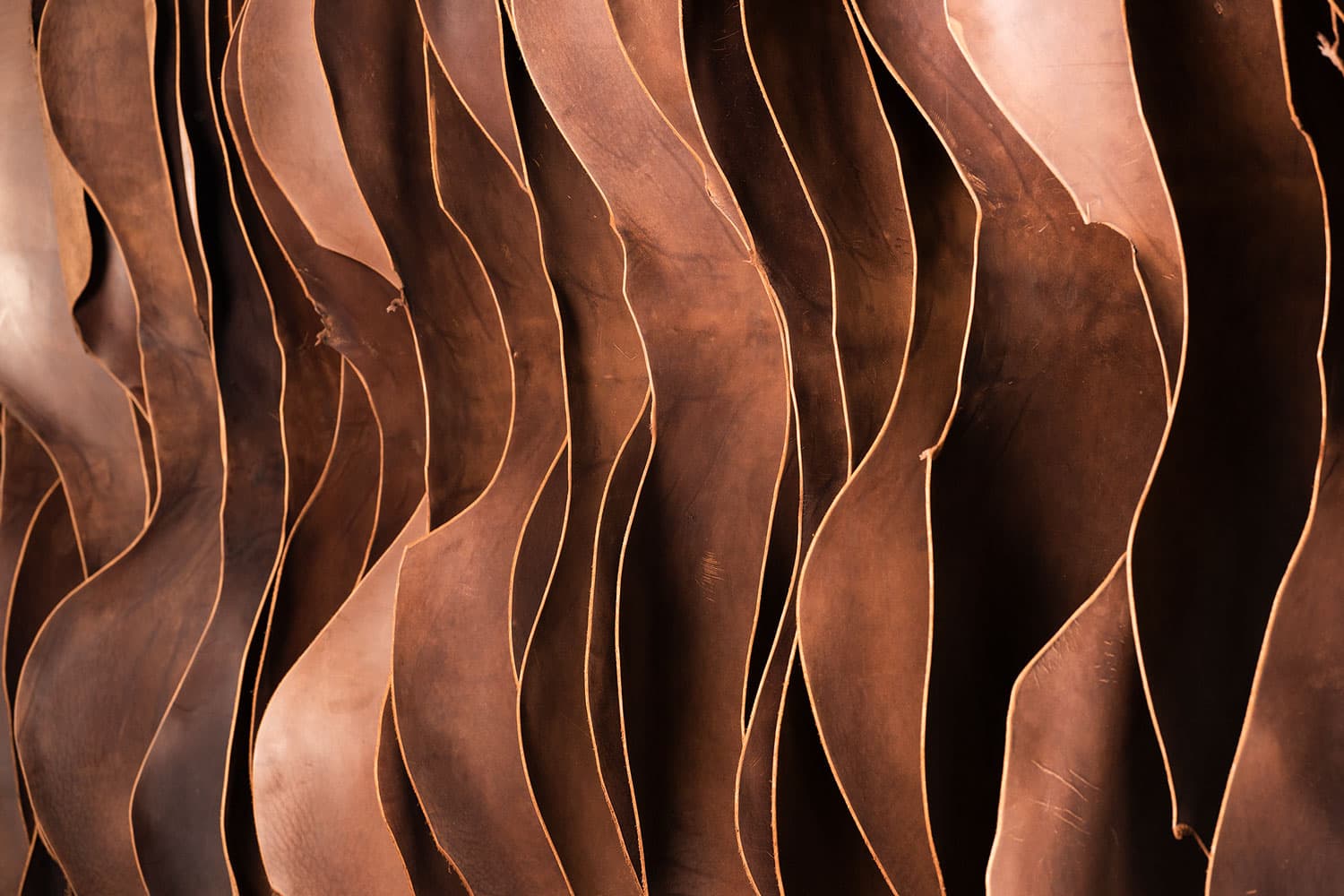
Hides arrive as a by-product of the meat industry — animals raised for food, not for leather. They are sorted by species, quality and size to assign them to the best use and keep them out of landfill. Every year the industry recovers millions of hides that would otherwise be waste, turning them into a valuable recycled raw material.
TRANSFORMATION AND FINISHING
Tanning and preparation of the leather
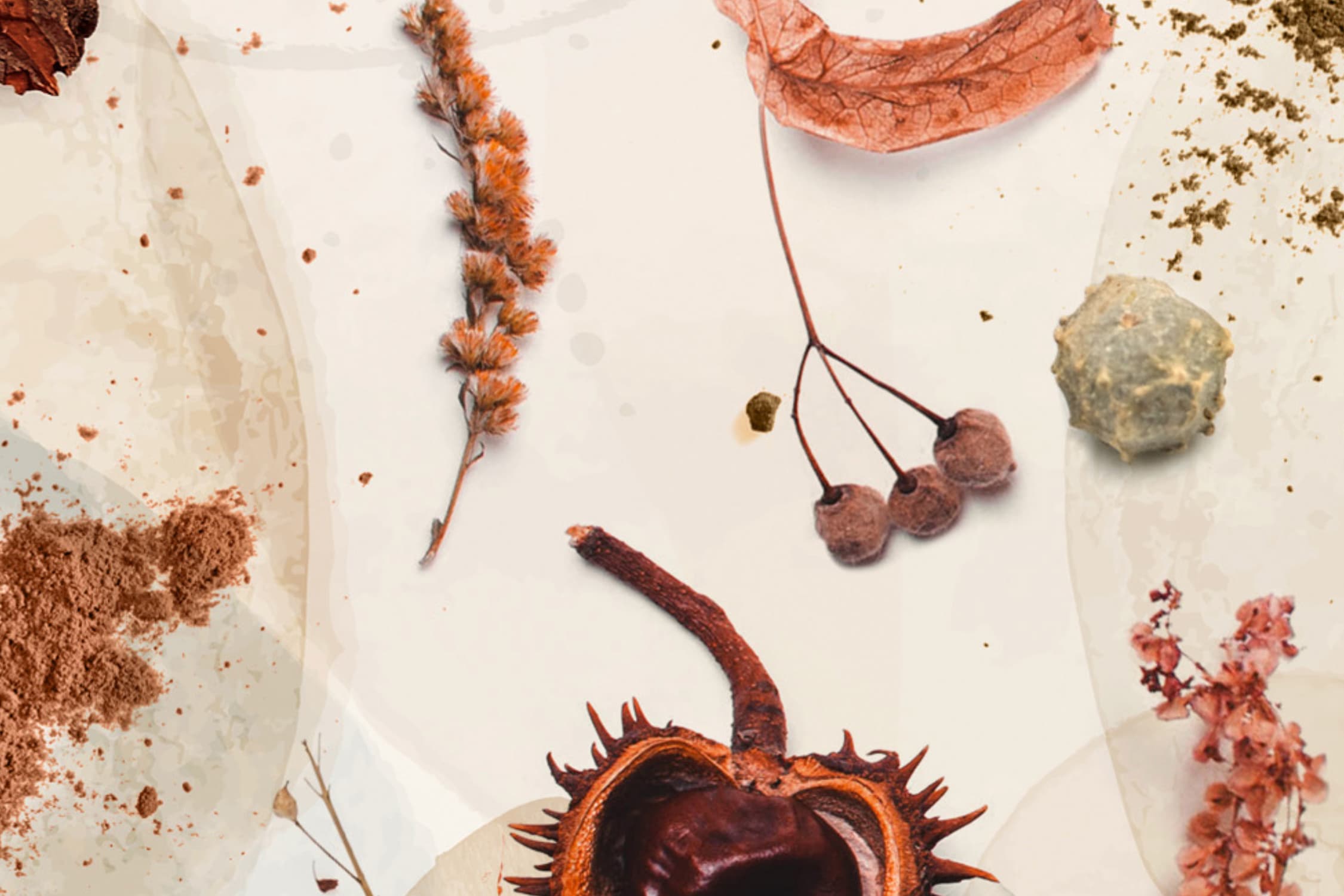
At the tanneries, the hide is cleaned, rehydrated and goes through the tanning process (vegetable, chrome or modern alternatives) to stabilise it. The thickness is then adjusted, the surfaces are treated and finishes are applied — colour, fatliquoring and protection — to give the leather the mechanical and aesthetic properties required by each application.
BY-PRODUCT MANAGEMENT AND VALORISATION
Water and waste management and by-product recovery
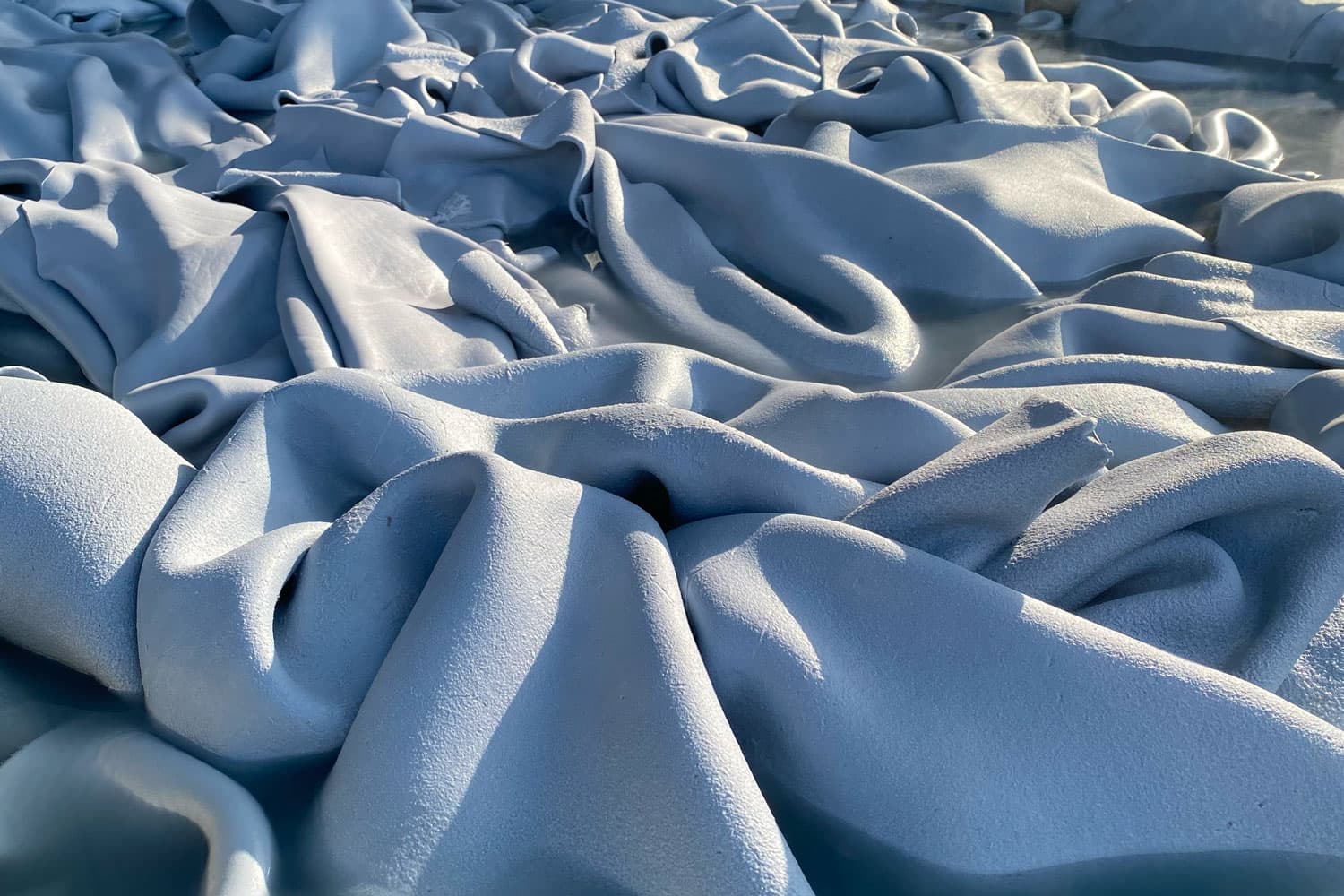
Wastewater from the tanning process is treated at the IDR treatment plant, a European pioneer in biological treatment. In parallel, projects recover fleshings and other by-products to valorise them as biogas, fertilisers or other materials, reducing waste and integrating into circular-economy models.
PRODUCT AND END USE
Valorisation and high-added-value products
Depending on the tanning and finishing, leather is designed for specific uses: leather goods, footwear, upholstery, automotive and technical applications. These products, made to last, offer high added value and replace less durable materials, contributing to a smaller environmental footprint when produced responsibly.
SECOND LIFE
Repair, restoration and reuse
Leather ages well and can be cleaned, repaired and restored to extend its life for decades. By prioritising repair, refurbishment and upcycling (creative reuse), the use of the material is maximised and the need for new production is minimised, with the resulting saving of resources.
CLOSING THE LOOP
Recycling, composting and final recovery
When leather reaches the end of its useful life, it can re-enter the value chain in several ways: transformed into fibres or composite boards, entering industrial composting processes when the type of tanning allows, or through energy recovery or biogas using controlled techniques. The end-of-life route depends on the tanning, the finishes and local infrastructure; that is why it is key to design from the outset with recyclability and compostability in mind.
Frequently asked questions
Sustainability and leather
Answers on raw-material origin, environmental impact, tannery chemistry, carbon, biodegradability and recycling.
Where does leather come from? Are animals raised to make leather?
No. Bovine, sheep, goat and pig hides and skins are by-products of the food industry; if they were not used to make leather they would end up as waste in landfill.
Is leather sustainable?
Yes. The raw material is renewed because meat will continue to be part of the human diet. With appropriate environmental controls, the transformation process has a reduced impact. Considering the durability of leather and its long service life, its full life cycle usually has a smaller carbon and water footprint than less durable alternatives. At the end of its useful life, leather breaks down through chemical and biological processes.
Is leather biodegradable?
Yes. Although leather is treated to be more resistant to rotting and does not decompose quickly, its ability to last for many years is an environmental advantage. In a standard landfill, leather usually degrades over a period of roughly 10 to 50 years — long before many synthetic materials (for example, polyethylene: 100–500 years). In addition, leather does not generate microplastics and does not have the persistent impact of synthetic materials in the oceans.
Can leather be recycled?
Yes. Leather fibres and boards (for example, leather fibre board) have been in established use for decades, and since the early 2000s composites and methods have been developed to recycle more varieties of leather. The priority is to repair and reuse; when the useful life can no longer be extended, many products can be transformed into new items (small accessories, coverings, rugs) to give them additional decades of use.
Does leather manufacturing use chemicals?
Yes. Leatherworking has always used substances (from smoke and natural tannins to modern reagents). Today the industry applies safer chemicals and is replacing obsolete processes with less polluting alternatives. Staff training, protective equipment and the proper treatment of solid, liquid and airborne waste are essential to comply with regulations. Current technology makes it possible to produce responsible leather while avoiding toxic substances when processes are well managed.
Does leather cause deforestation?
No. Increased efficiency in livestock farming makes it possible to feed more people with fewer animals. When deforestation for pasture does occur, it is often linked to interests such as timber, mining or cash crops (soy), and not solely to livestock activity. The leather industry rejects deforestation and promotes proper pasture management, which in many cases favours CO2 capture.
Does leather have a large carbon footprint?
No. Comprehensive assessments (Product Environmental Footprint) indicate that the contribution of the animal’s life cycle to the final calculation for bovine leather is very small (in the order of tenths of a percent). The durability of the material also reduces the impact compared with less durable alternatives.