Leather Cluster Barcelona joins the celebration of World Recycling Day and champions leather as an example of the Circular Economy
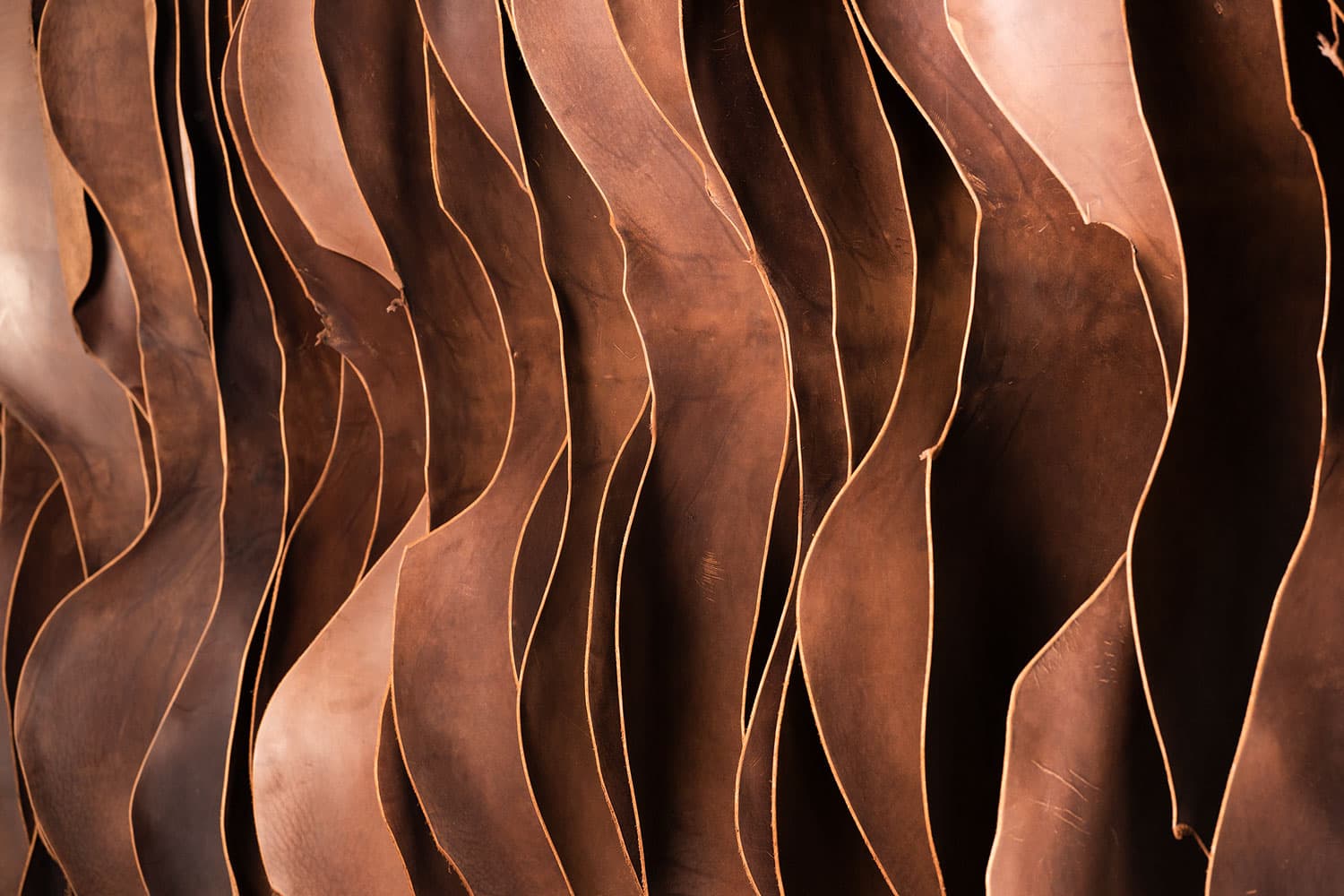
Leather Cluster Barcelona joins the celebration of World Recycling Day and champions leather as an example of the Circular…
Leather Cluster Barcelona joins the celebration of World Recycling Day and champions leather as an example of the Circular Economy
Leather is a waste product recycled into a consumer article that can last a lifetime
Today, 17 May, World Recycling Day is celebrated, a date designated by UNESCO to raise awareness of the importance of reducing, reusing and recycling in order to protect the environment.
This anniversary is a very good opportunity to recall that leather is a waste product of the animals we eat. The leather industry recovers and recycles this waste from the food sector so that it can be reused as a new raw material. The tanning process gives animal hides a second life and adds value to them in products that are useful to society.
World Recycling Day is also an event that invites reflection on the current system of production and consumption. When we recycle, we contribute to improving the environment by reducing our use of natural resources and extending the service life of materials. The leather industry contributes to responsible and sustainable consumption by adding value to a waste product in order to produce durable consumer goods: a leather article can last a lifetime.
On this World Recycling Day, Leather Cluster Barcelona reaffirms its commitment to the sustainable use of natural resources, to minimum environmental impact in production and to the efficient management of the waste generated by the leather sector.
Along these lines, through its Circular Economy working committee, the cluster is carrying out cross-cutting strategic projects with all the stakeholders in the leather industry value chain in order to optimise the valorisation of by-products and waste and the recirculation of wastewater.
In the process of transforming the animal hide, waste is generated which today is given added value so that it can be treated as a resource and become a raw material for producing new products to meet other kinds of needs in different sectors. From the recovery of fleshings and splits, glues, collagen, gelatine and protein hydrolysate are obtained, which are used mainly in the food sector and the pharmaceutical industry, but which also have applications in the cosmetics and photographic industries.
Recently, with the fertiliser company Labin and the support of the Unió Empresarial de l’Anoia, the cluster has successfully developed a Circular Economy project for the recovery of bovine hair obtained during the leather tanning process, adding value to it as a biofertiliser for the agricultural sector.
At present, work is under way, among other things, to ensure that the sludge generated during the water treatment process can become a resource, obtaining biodegradable bioplastics through biotechnological processes.
About Leather Cluster Barcelona
Leather Cluster Barcelona is an environment of competitive cooperation for promoting cross-cutting, transformative strategic projects with the aim of driving the ecosystem of the Catalan leather sector.
Committed to sustainable fashion, the circular economy and shared value, Leather Cluster Barcelona brings together 50 companies and stakeholders with a combined turnover of more than 350 million euros, from livestock farming and the food industry, tanneries, university and research, through to chemicals, sustainability, design, leather manufacturing and fashion.