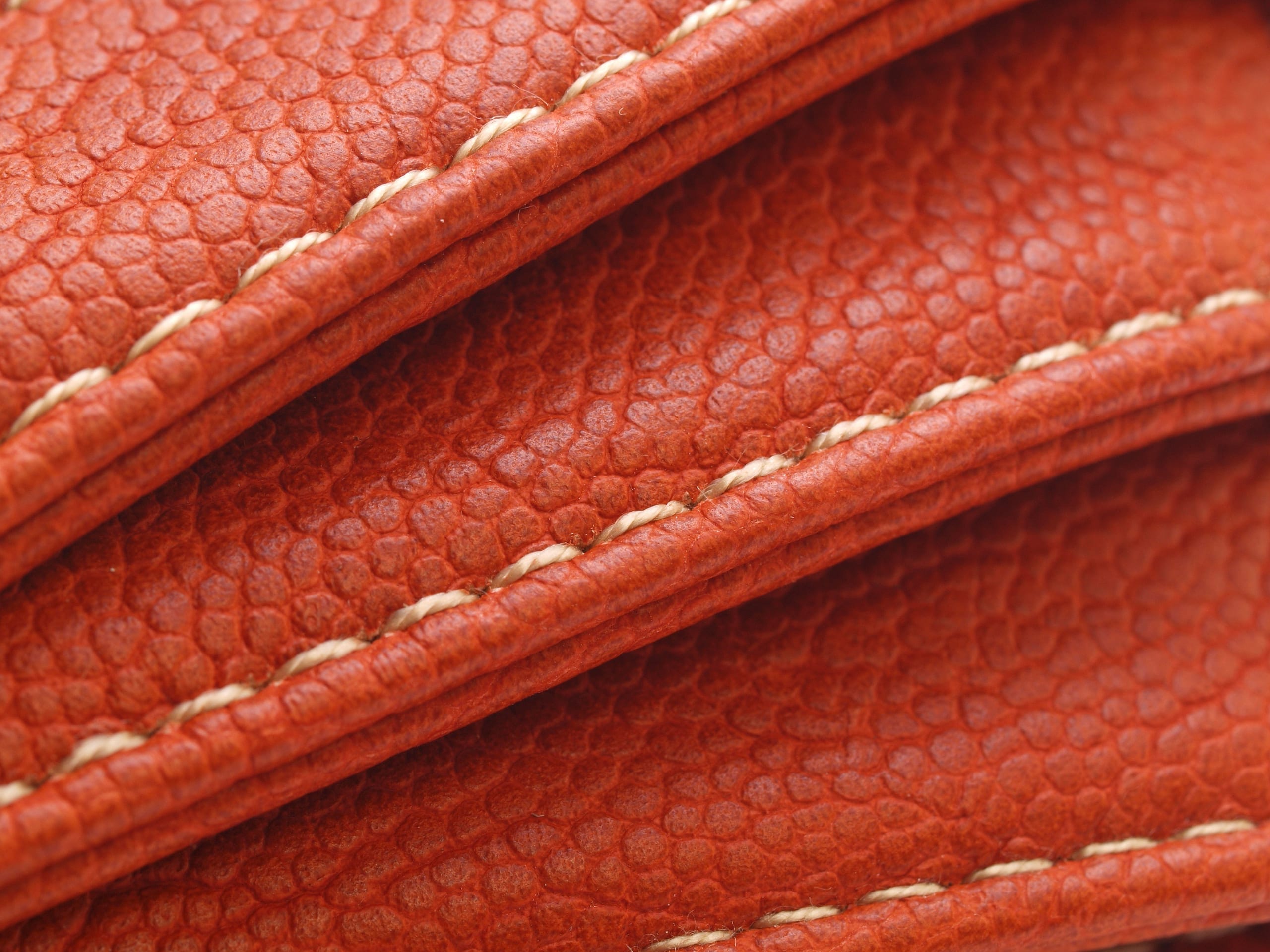
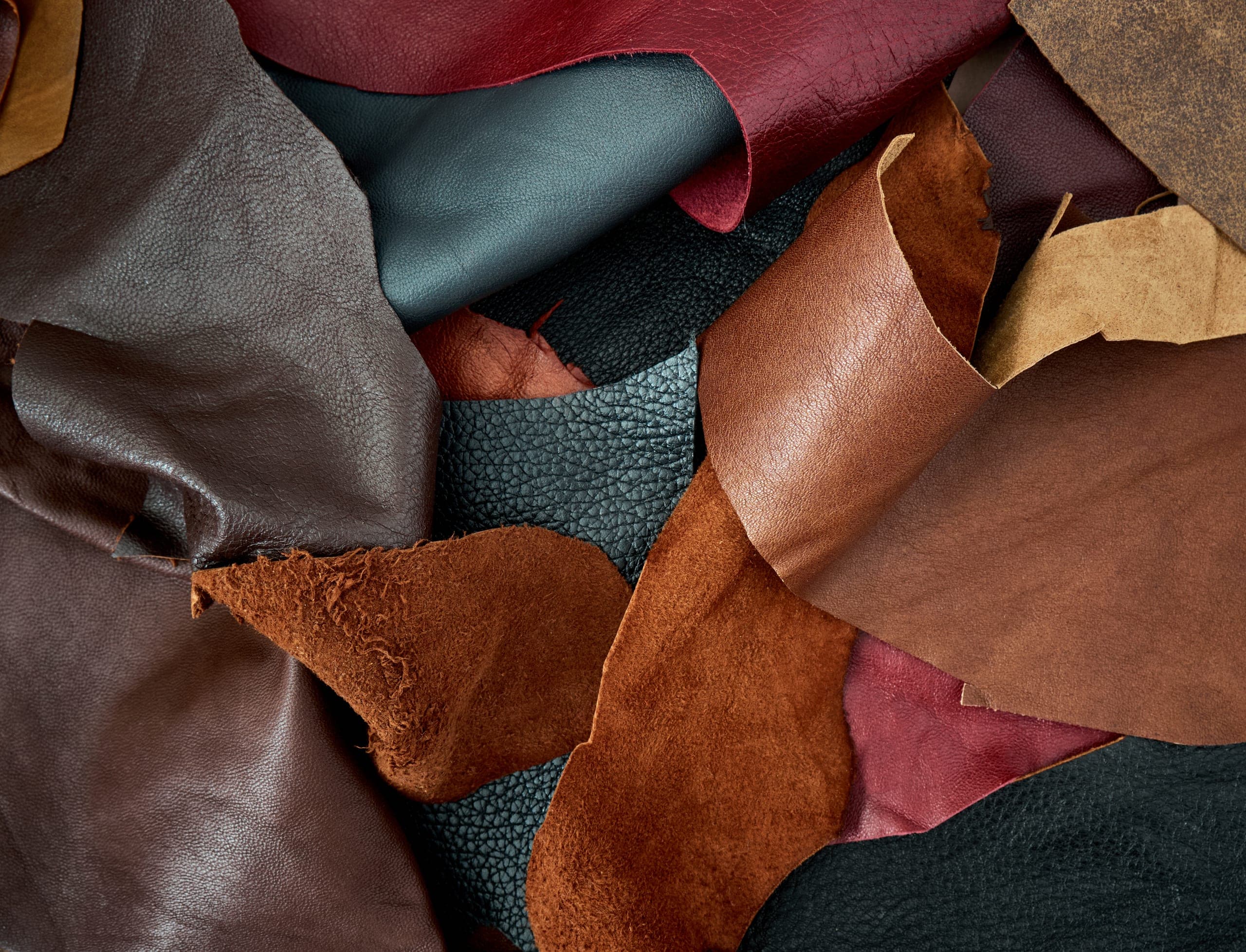
A by-product given new value
The tanning industry does not slaughter animals for their hides: it makes use of a by-product of the meat industry that would otherwise become waste, and recovers its full value.

THE PRODUCT
WHY LEATHER
The tanning industry does not slaughter animals for their hides: it makes use of a by-product of the meat industry that would otherwise become waste, and recovers its full value.
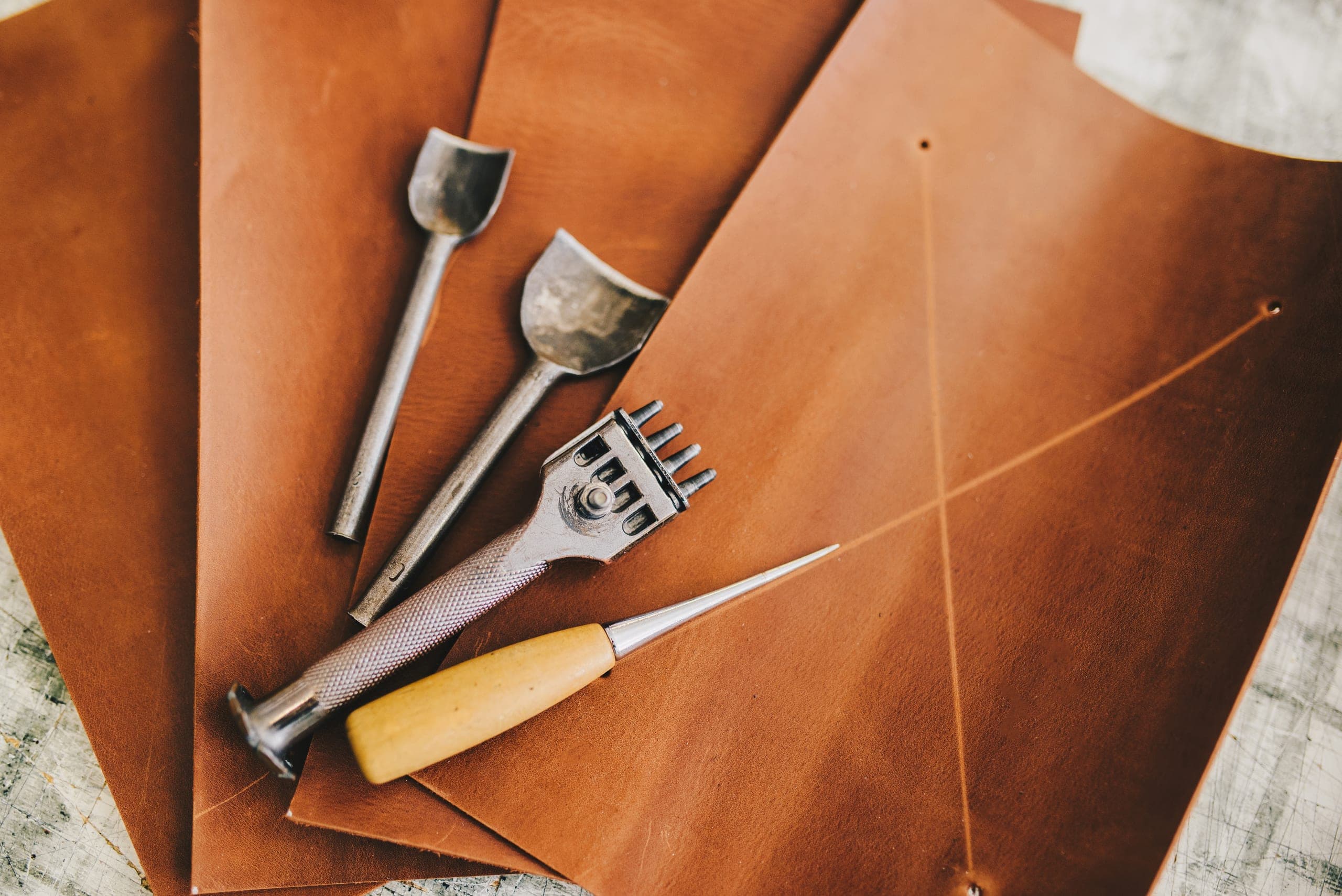
Tanning is, in essence, a recycling activity: it transforms organic waste into a noble material, with a firm commitment to sustainability and the circular economy.
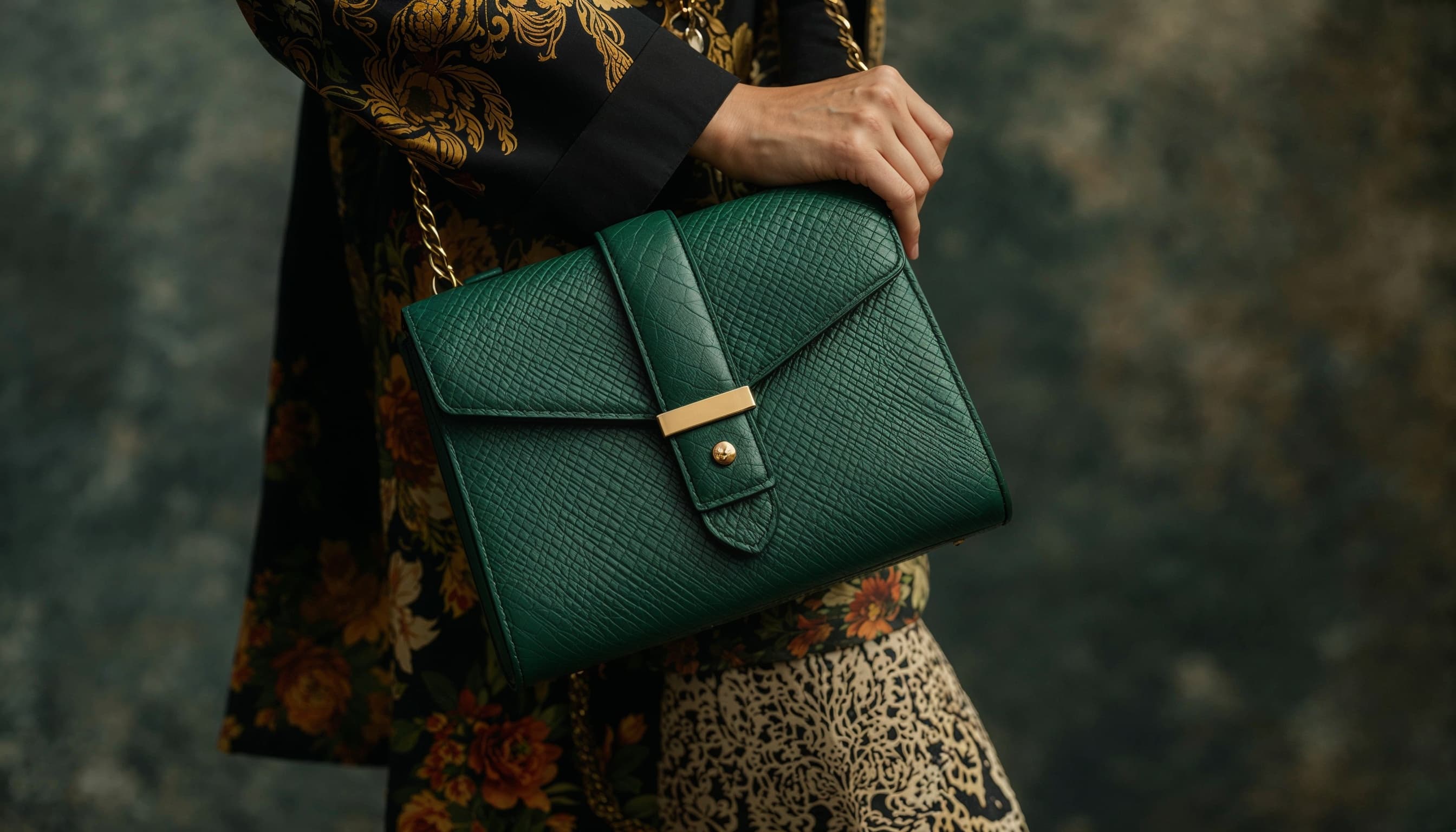
Leather is a timeless, long-lasting material that can be repaired and ages gracefully: a well-made piece accompanies its owner throughout their life.
BENEFITS
When leather is produced to responsible standards, it is one of the materials most closely aligned with the circular economy: it uses a by-product of the meat chain and extends the life of goods.
A natural, versatile and exceptionally durable product. It combines aesthetics, functionality and comfort —from technical leathers to the most expressive— with an organic essence that no synthetic material can replicate.
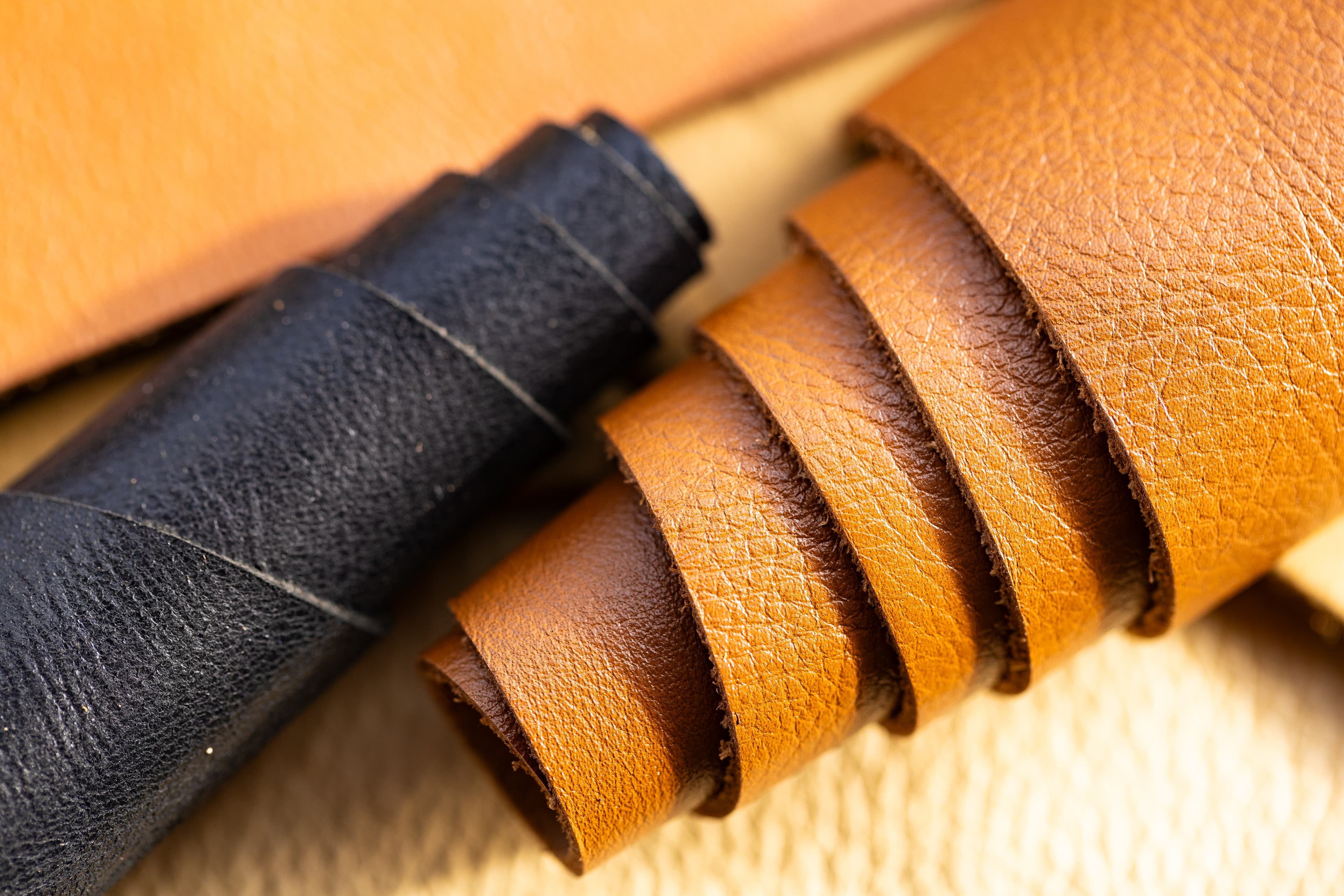
Adding value to a by-product
Hides and skins come directly from the food chain. Turning this material into a consumer good prevents it from being wasted in landfill and reduces the overall environmental impact, bringing value and circularity to a waste stream that already exists.
Long life and durability
Leather is made to last for generations. Unlike synthetic materials, which degrade quickly, leather develops a unique patina with use. This encourages conscious consumption based on fewer, better-chosen pieces.
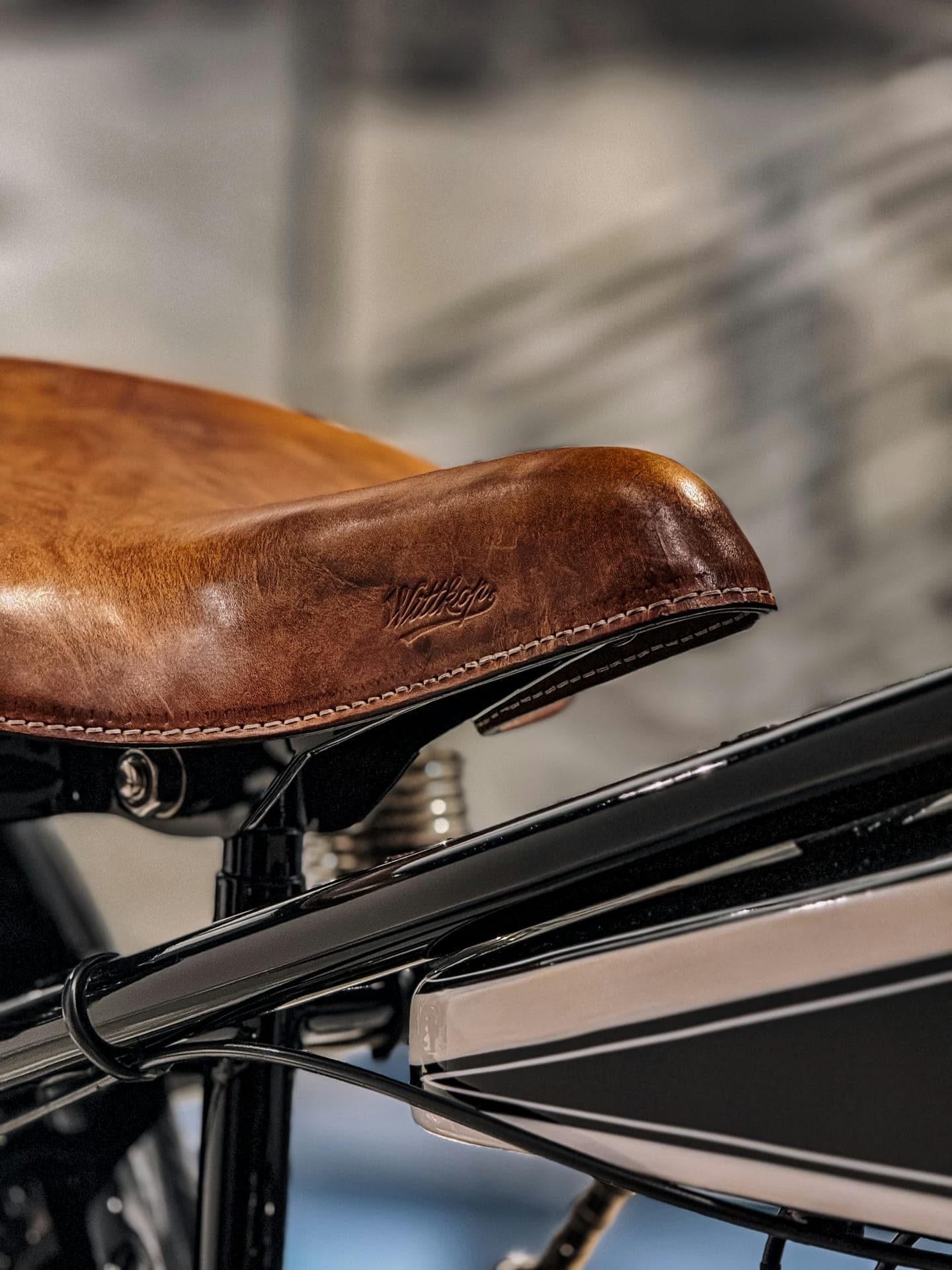
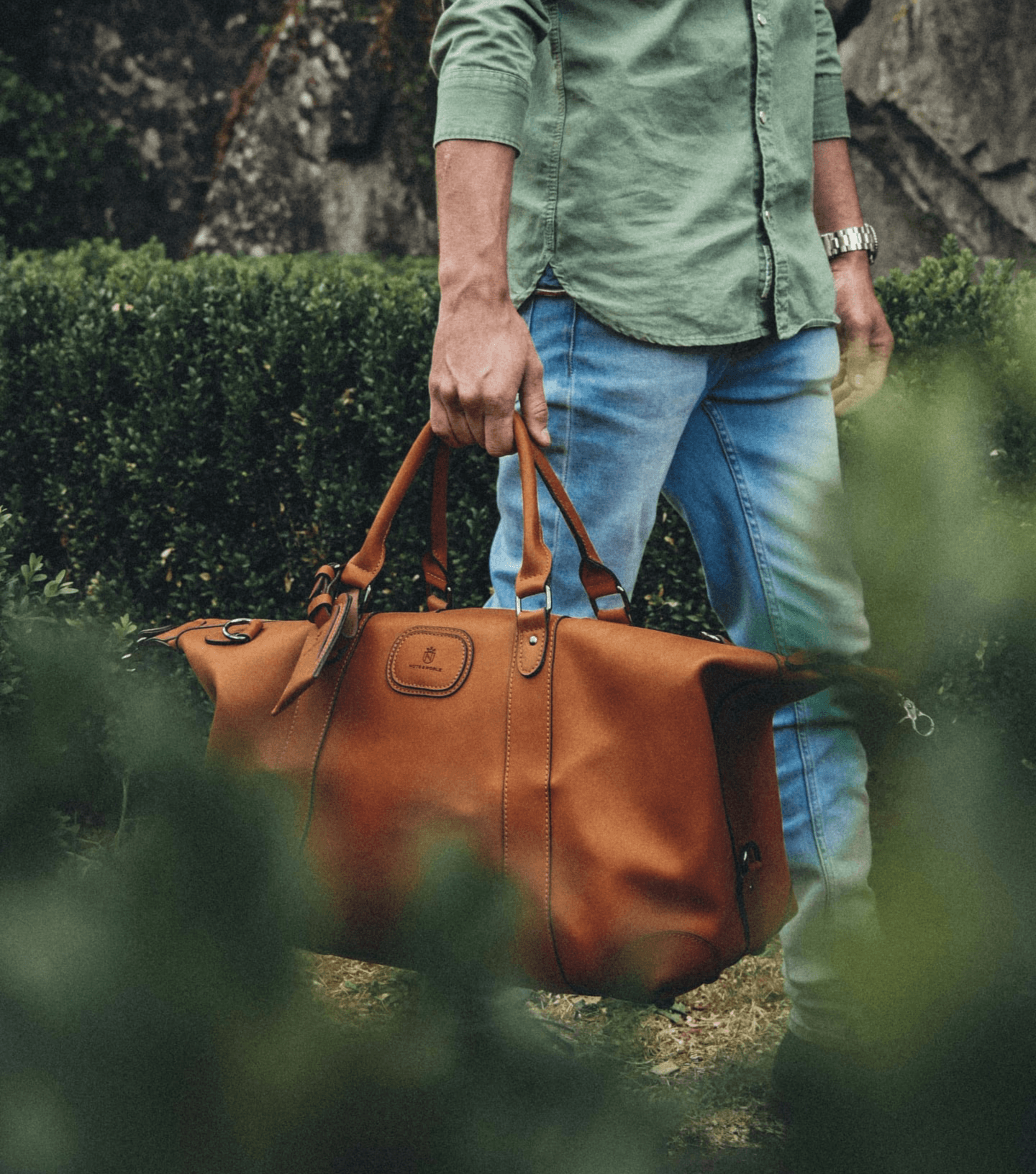
Biodegradability and return to the cycle
Unlike plastics and petroleum derivatives, which persist in the environment, leather is an organic material capable of decomposing. Moreover, offcuts from workshops are put to use in technical applications or composites, minimising losses at every stage.
Industrial versatility
Mastery of the craft makes it possible to transform the same raw material into a wide variety of surfaces: from highly resistant leathers for furniture and automotive interiors to exceptionally soft, fine finishes for footwear and gloves. A flexibility that is hard to match with a single chemical formula.
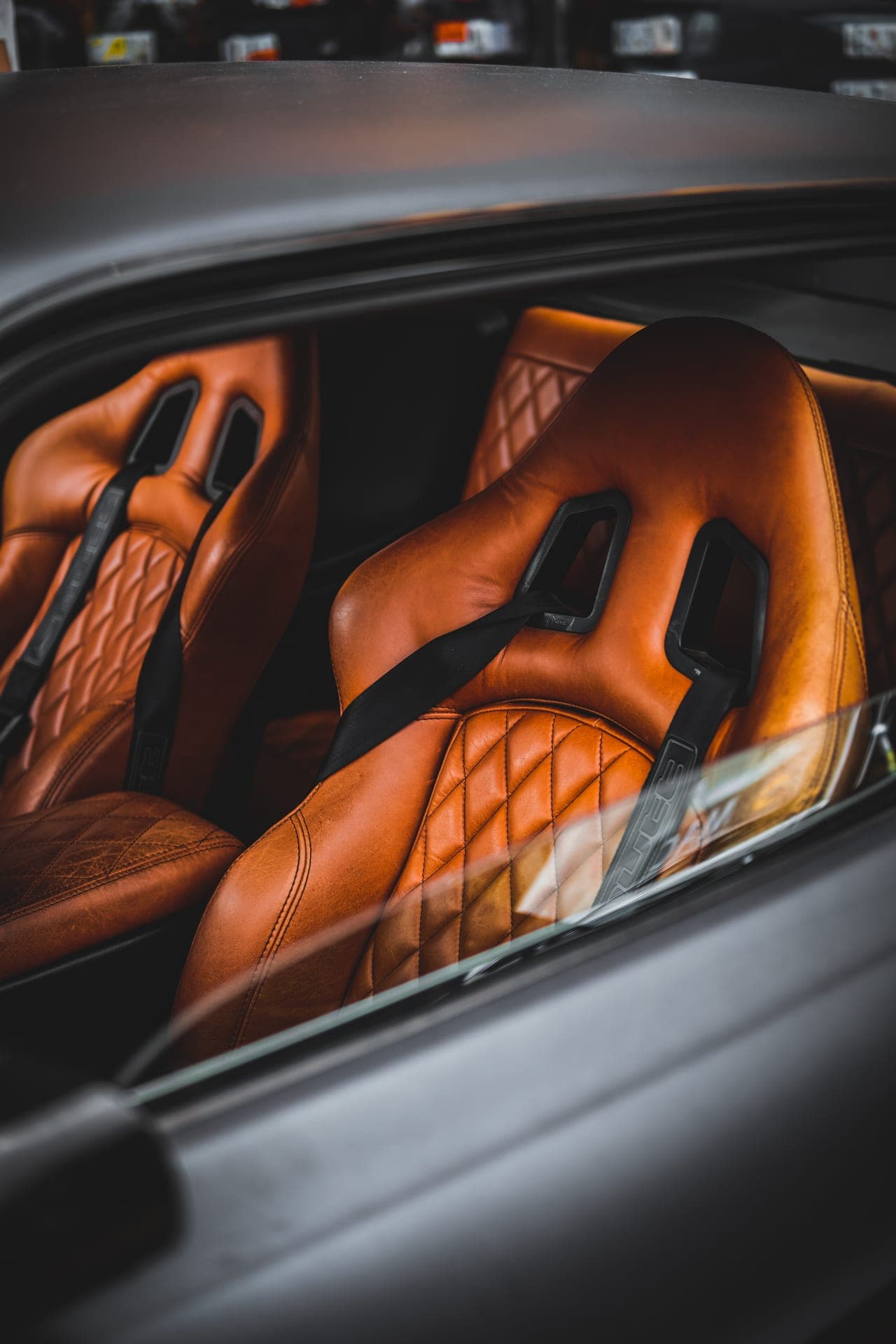
Natural comfort and breathability
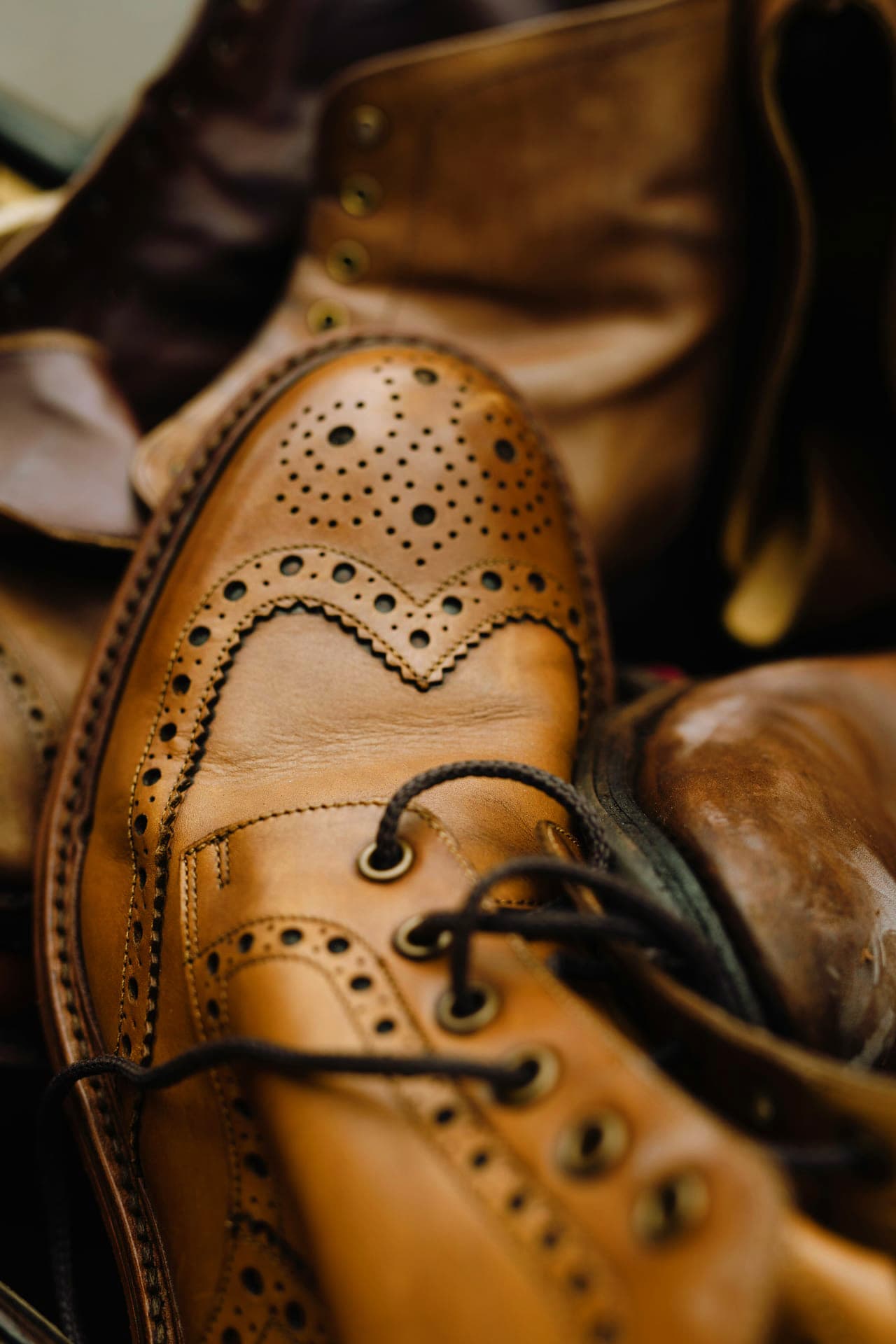
Leather allows a far greater exchange of air and moisture than synthetic fabrics, helping to regulate temperature in contact with the body. Over time, it moulds itself to the wearer in footwear, garments and accessories.
Reparability
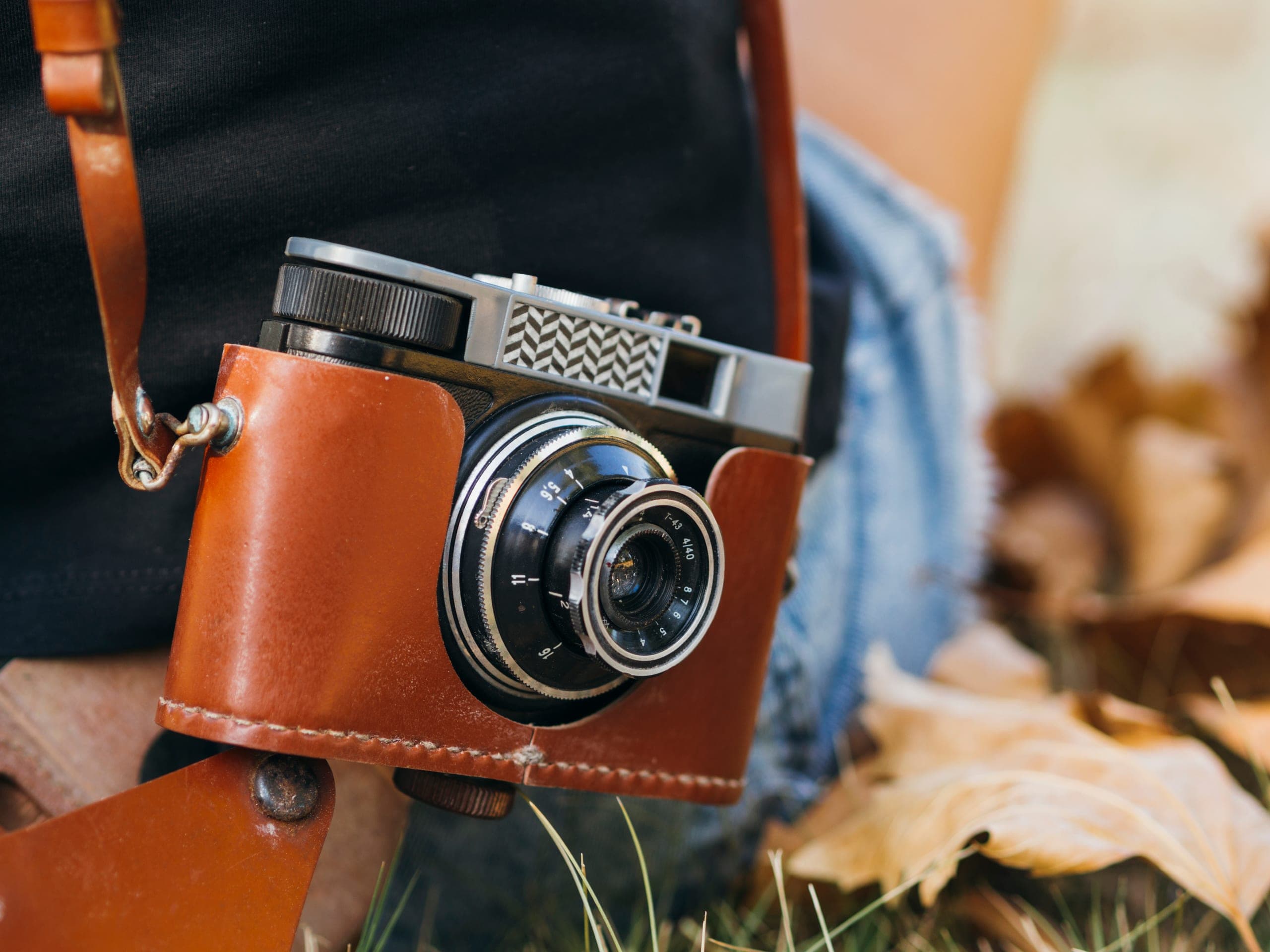
The path to sustainability calls for objects that can be repaired over decades. Caring for leather is simple and requires little energy. Returning items to restoration workshops ensures that what can be mended need not be replaced every season.
Organic beauty and identity
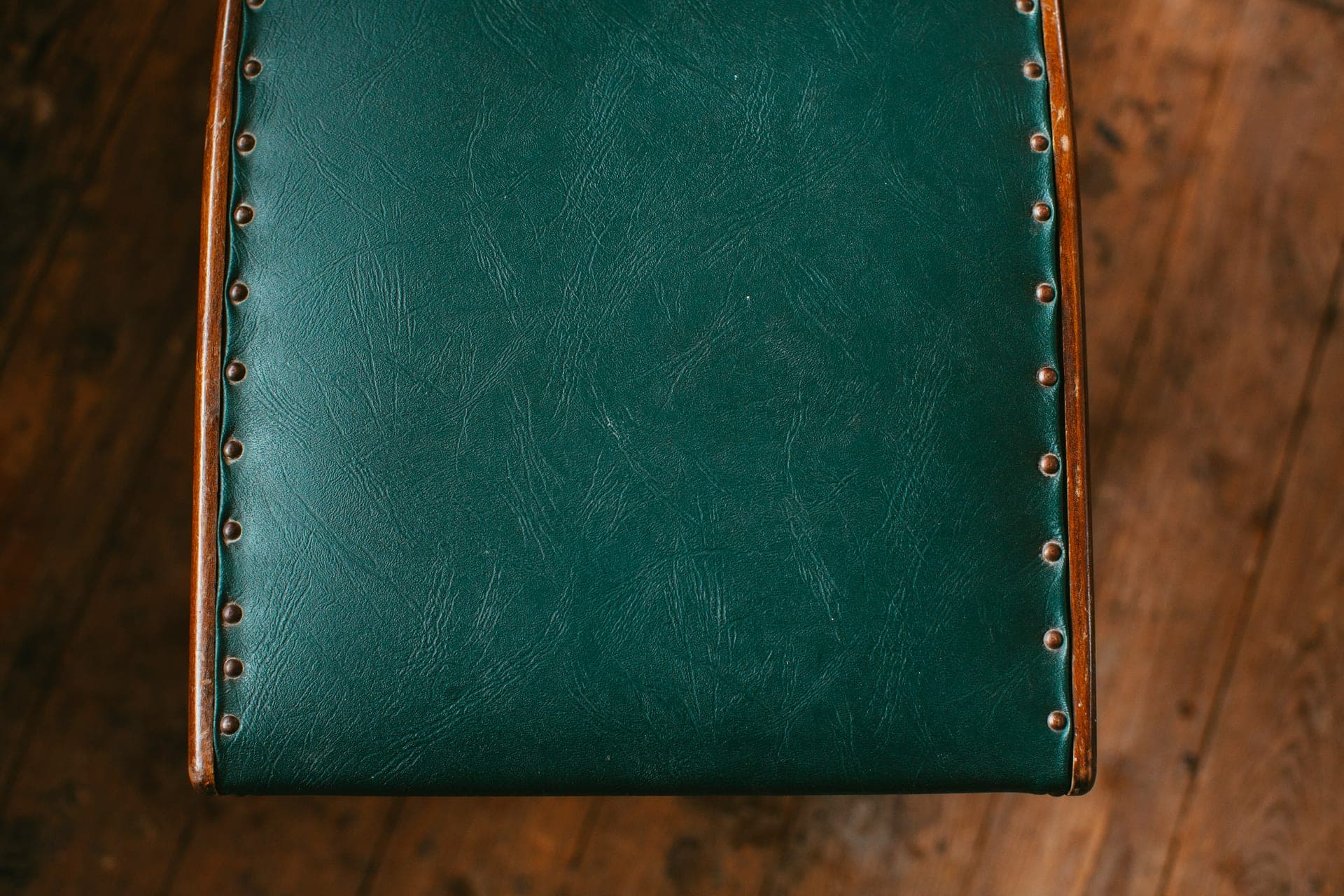
No two leathers are identical; natural variations are the hallmark of the material's authenticity. Contemporary finishes enhance the grain or provide protection without erasing the personality of an aesthetic with real depth, one that gains nuance over the years.
Premium value and a noble touch
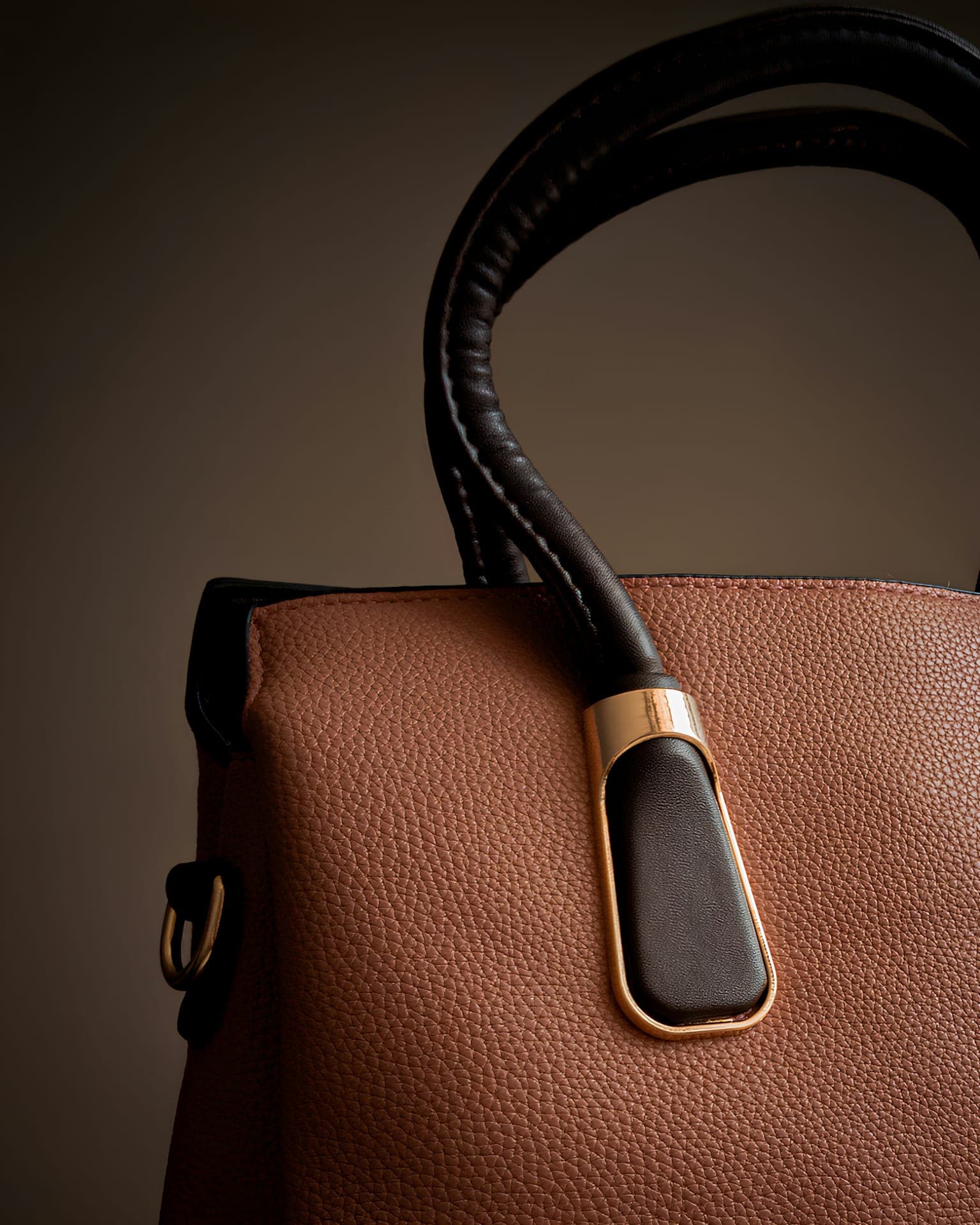
The texture, the warmth to the touch and the characteristic scent of leather reinforce its status as a noble material. The combination of craftsmanship and modern technology conveys a level of excellence that is key for brands seeking a bond of quality with their customers.
Frequently asked questions
Answers to help you understand leather better: what it is, how it is processed, how long it lasts and why it differs from synthetic materials.
It is a natural, organic material obtained by processing animal hides and skins, mainly cattle hides but also sheep, goat and pig skins. Its structure of collagen fibres makes it breathable, strong and durable, and makes it a renewable alternative to plastic-based materials.
Hides travel from farms to tanneries, where the tanning process stabilises their collagen fibres so that they do not degrade. They then go through dyeing, finishing and quality control until they become a material suitable for fashion, footwear, furniture or the automotive industry.
A well-made leather item can last a lifetime and, over time, gains suppleness and character. It can also be cleaned, conditioned, re-dyed and re-stitched: repair extends the product's useful life and reduces its environmental impact, in keeping with a slower, more responsible approach to fashion.
Yes. As an organic material, leather decomposes under suitable environmental conditions at the end of its useful life, unlike plastic-based synthetic materials, which can persist for centuries as microplastics.
Yes. Offcuts generated during manufacturing can be used to make new materials and components, and end-of-life products can be transformed into composites for other uses. Nevertheless, the priority is to repair and reuse, extending the life of each piece as far as possible.
'Vegan leather' is a marketing term for materials of non-animal origin, usually fabrics coated with petroleum-derived polyurethane or PVC. They imitate the appearance of leather but not its structure: they tend to be less breathable and less durable and, over time, can peel or crack and contribute to plastic pollution.
Clean, nourish and protect: simply wipe it with a soft, damp cloth, apply a conditioning product from time to time and store it in a cool, dry place, away from direct sunlight and sources of heat. Older pieces can often be professionally restored.
Yes. Responsibly produced leather is safe: in the European Union, the REACH regulation controls the substances it may contain, and its breathability makes it comfortable in direct contact with the body.