INDUSTRY
Leather, a material for the future
Durability, savoir-faire and a Catalan value chain at the service of luxury
VALUE CHAIN
An integrated value chain, global reach
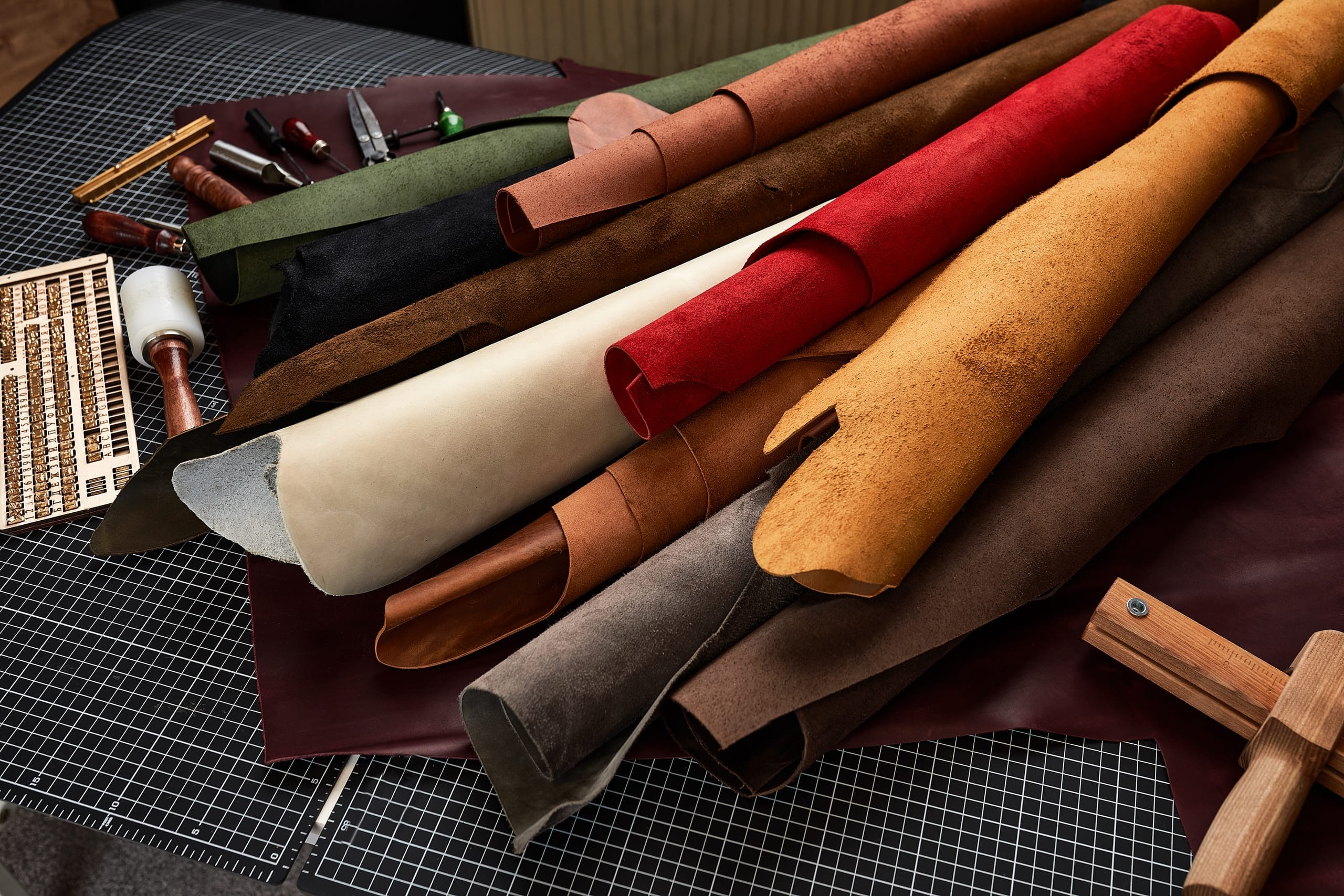
Catalonia is home to one of the most complete and integrated leather value chains in Europe, an industrial ecosystem where tanneries, the chemical sector, research centres and creators share territory, cutting-edge collective infrastructure and demanding standards of excellence. With a strong international character, over 80% of the sector’s production is exported directly to the world’s leading fashion houses and luxury brands.
In a highly demanding market, Leather Clúster Barcelona stands as the strategic partner of reference for global buyers who require absolute traceability, European regulatory compliance and high-level technical savoir-faire. Through the different links of its value chain, the sector responds with the utmost precision from Igualada to the supply needs of contemporary fashion.
BY-PRODUCT
%
of hides worldwide come from the meat industry
EXPORTS
%+
of the Catalan sector’s production is exported
GLOBAL MARKET
B$
estimated value of the global leather market
Benefits of leather
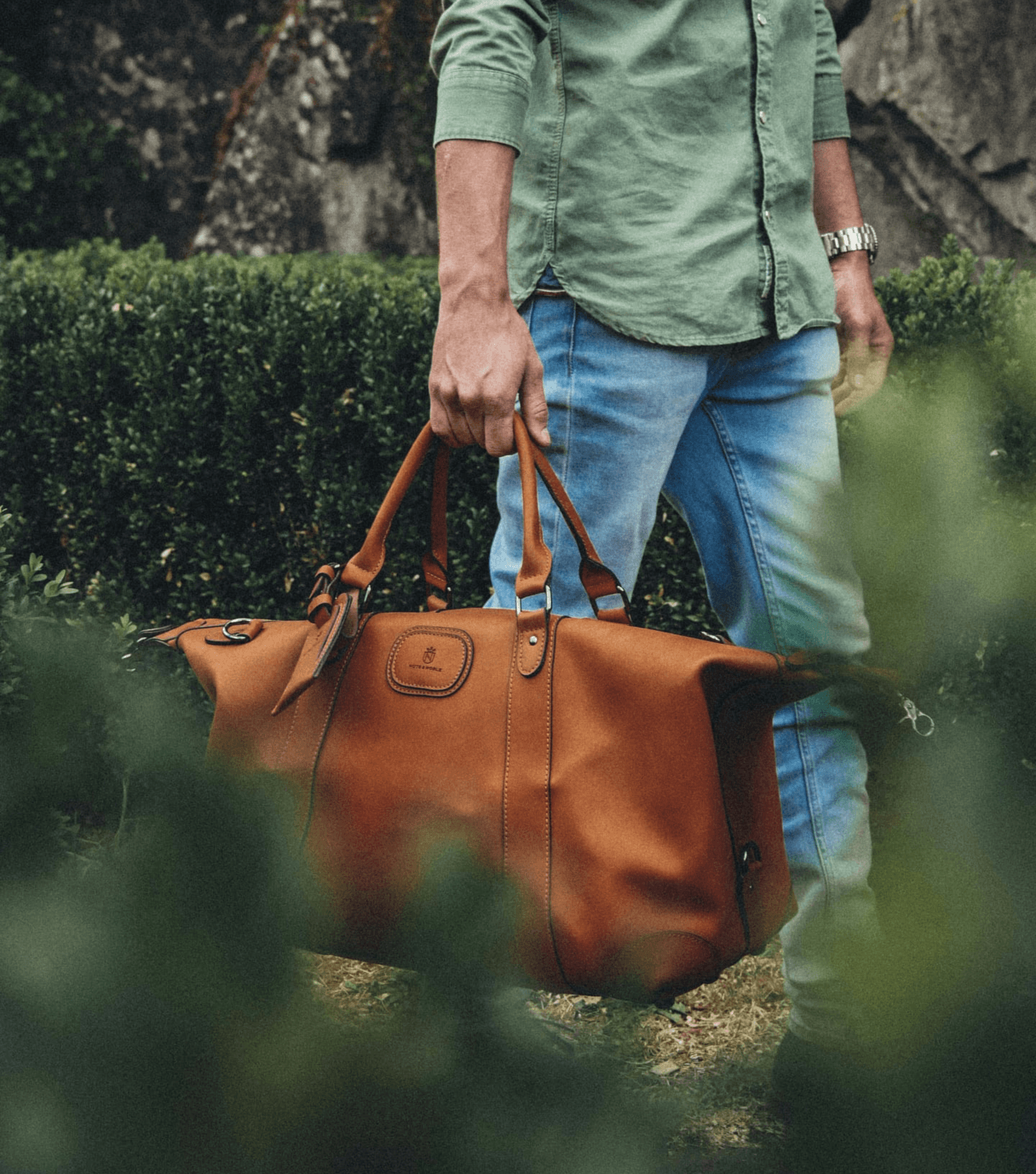
When leather is produced responsibly, it is one of the materials most aligned with the circular economy: it uses a by-product of the meat chain and extends the life of goods.
A natural, versatile and extraordinarily resistant product. It combines aesthetics, functionality and comfort — from technical leather to the most expressive — with an organic essence that no synthetic material can replicate.
Valorising a by-product
Leather gives purpose to an existing natural resource
Hides and skins come directly from the food chain. Turning this material into a consumer good prevents it from being wasted in landfill and reduces the overall environmental impact, bringing value and circularity to a residual stream that already exists.
Long service life and durability
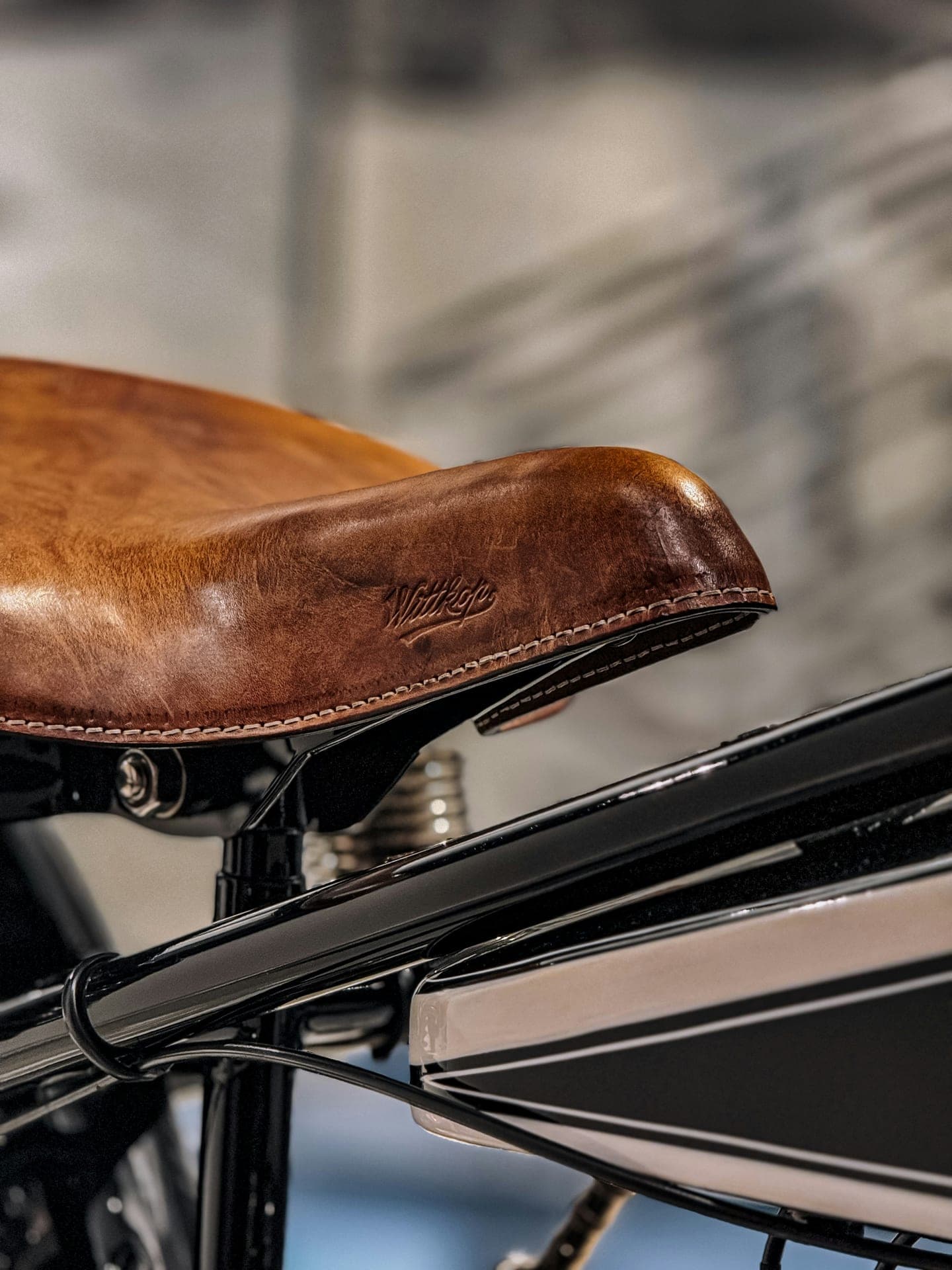
Quality material ages with dignity
Leather is made to last for generations. Unlike synthetic materials, which degrade quickly, leather develops a unique patina with use. This encourages conscious consumption based on fewer, better-chosen pieces.
Biodegradability and return to the cycle
A biological origin with secondary outlets
Unlike plastics and petroleum derivatives, which persist in nature, leather is an organic material capable of decomposing. In addition, workshop offcuts are used for technical applications or composites, minimising loss at every stage.
Repairability
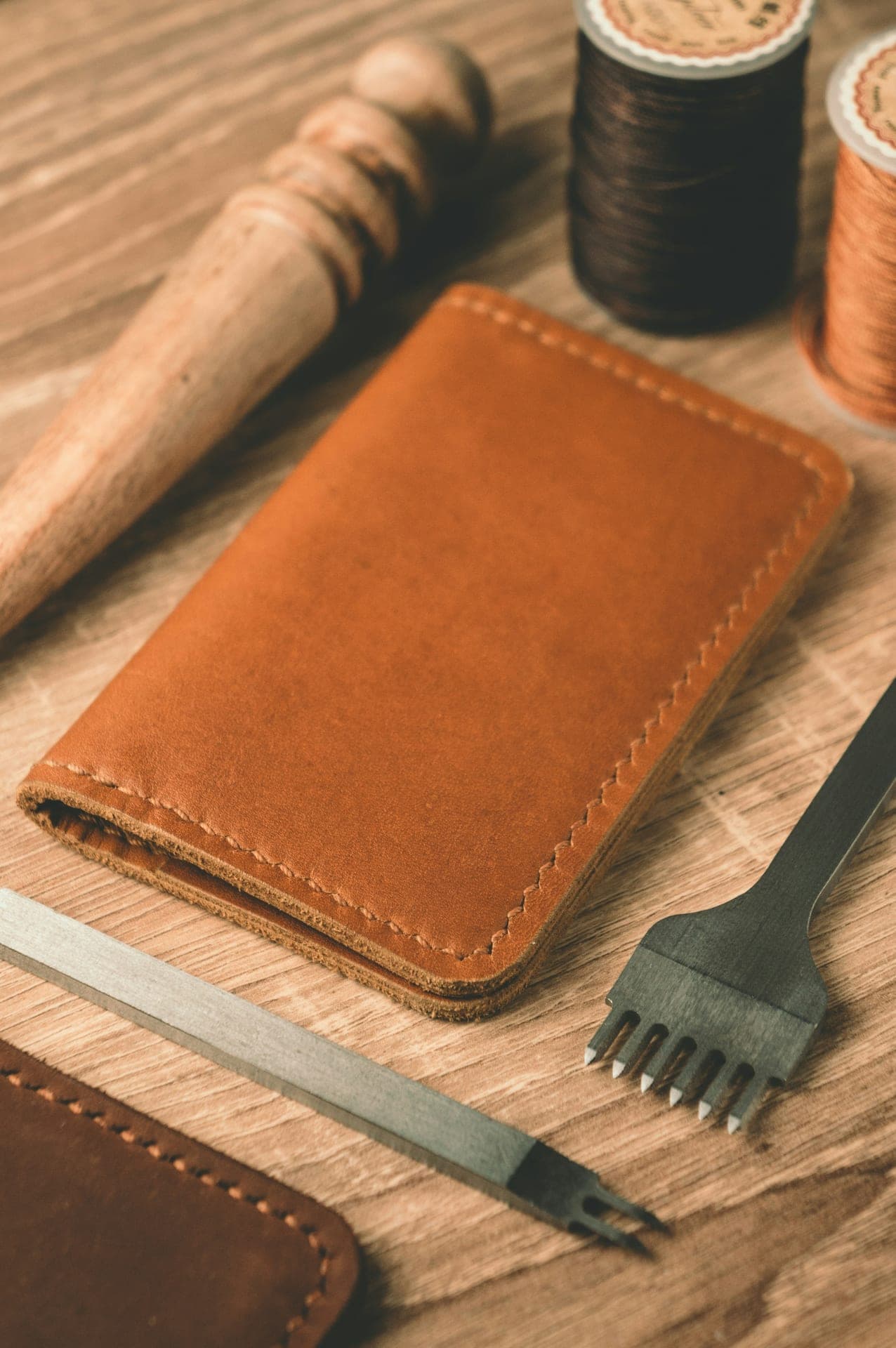
Easy to maintain and restore
The path to sustainability calls for objects that can be repaired for decades. Leather care is simple and low in energy consumption. Returning pieces to restoration workshops ensures that what can be fixed does not have to be replaced every season.
Natural comfort and breathability
A fibrous microstructure that breathes
Leather allows a far greater exchange of air and moisture than synthetic fabrics, helping to regulate temperature in contact with the body. Over time, it moulds anatomically to the wearer in footwear, garments and accessories.
Industrial versatility
One origin, countless results
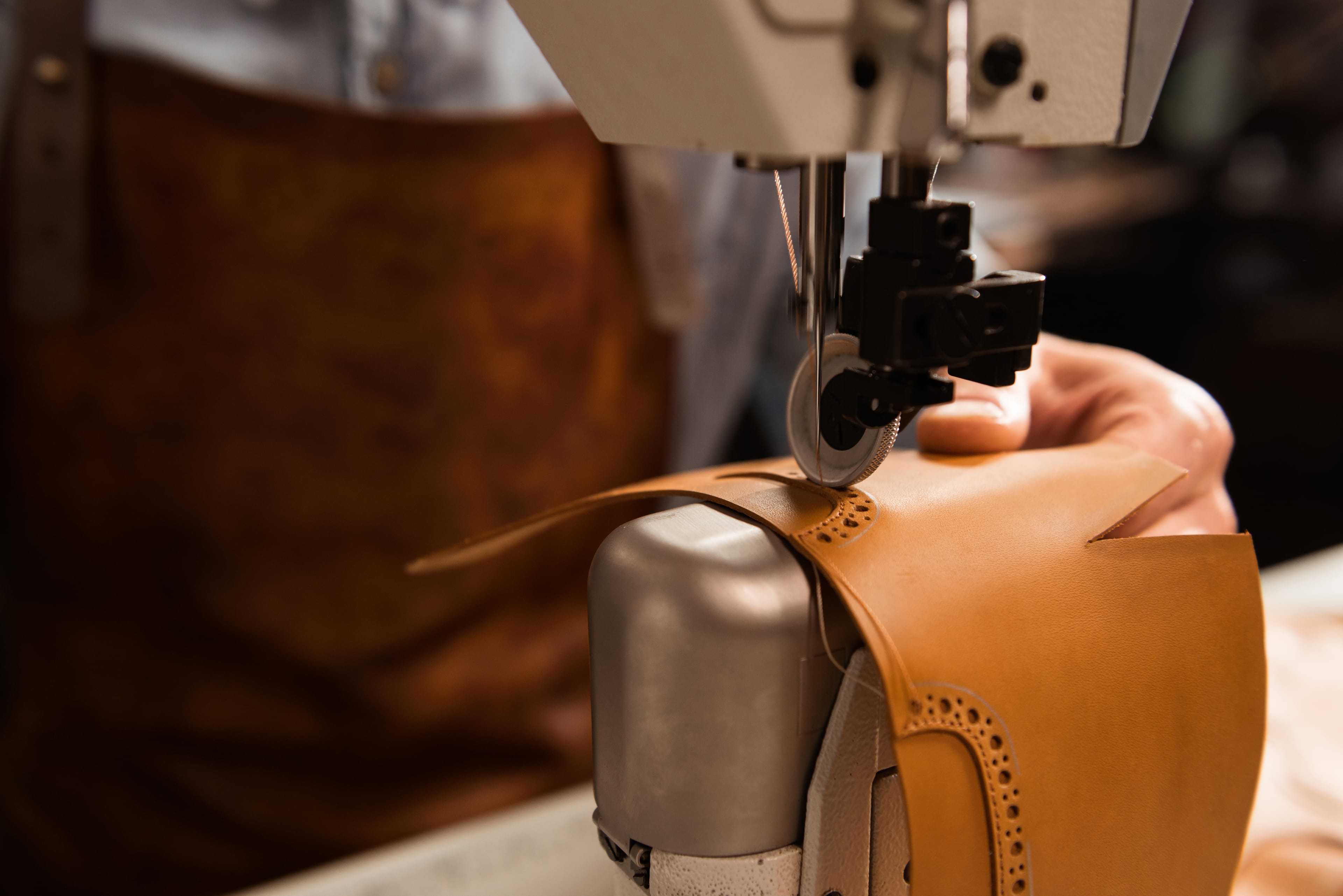
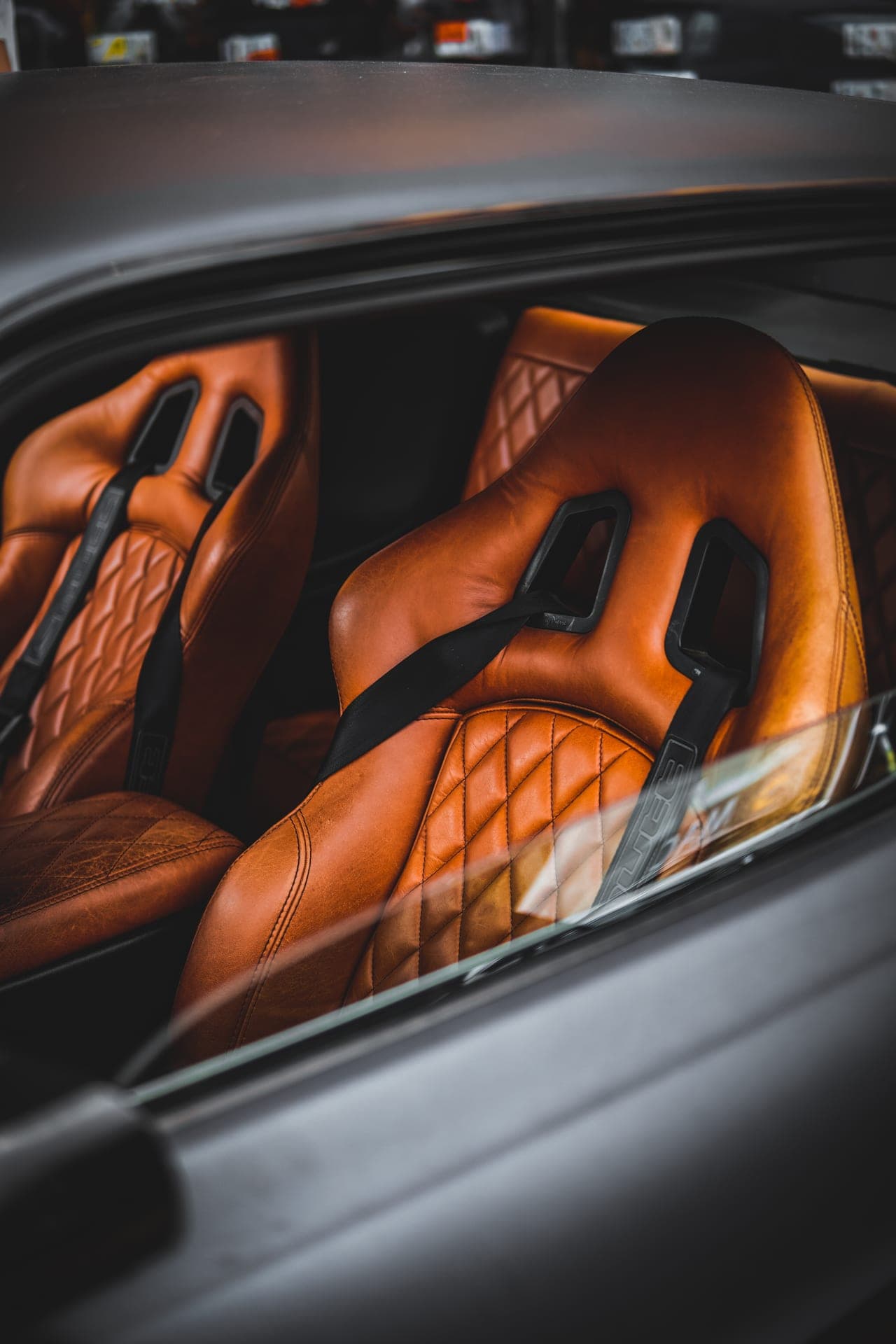
Mastery of the craft makes it possible to transform the same raw material into highly diverse surfaces: from hard-wearing leathers for furniture or automotive use to extremely soft, fine finishes for footwear and gloves. A flexibility hard to match with a single chemical formula.
Organic beauty and identity
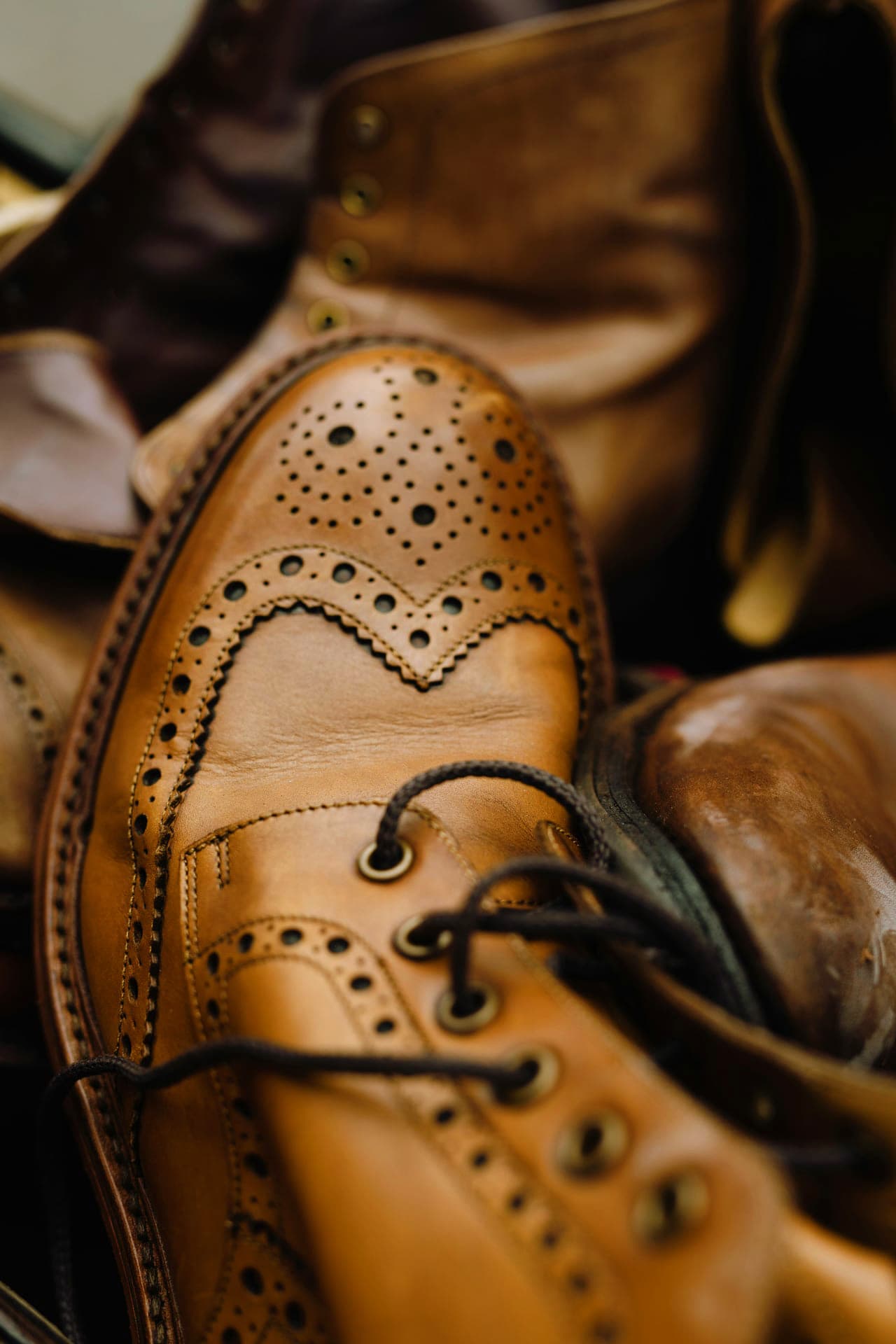
Every piece has its own character
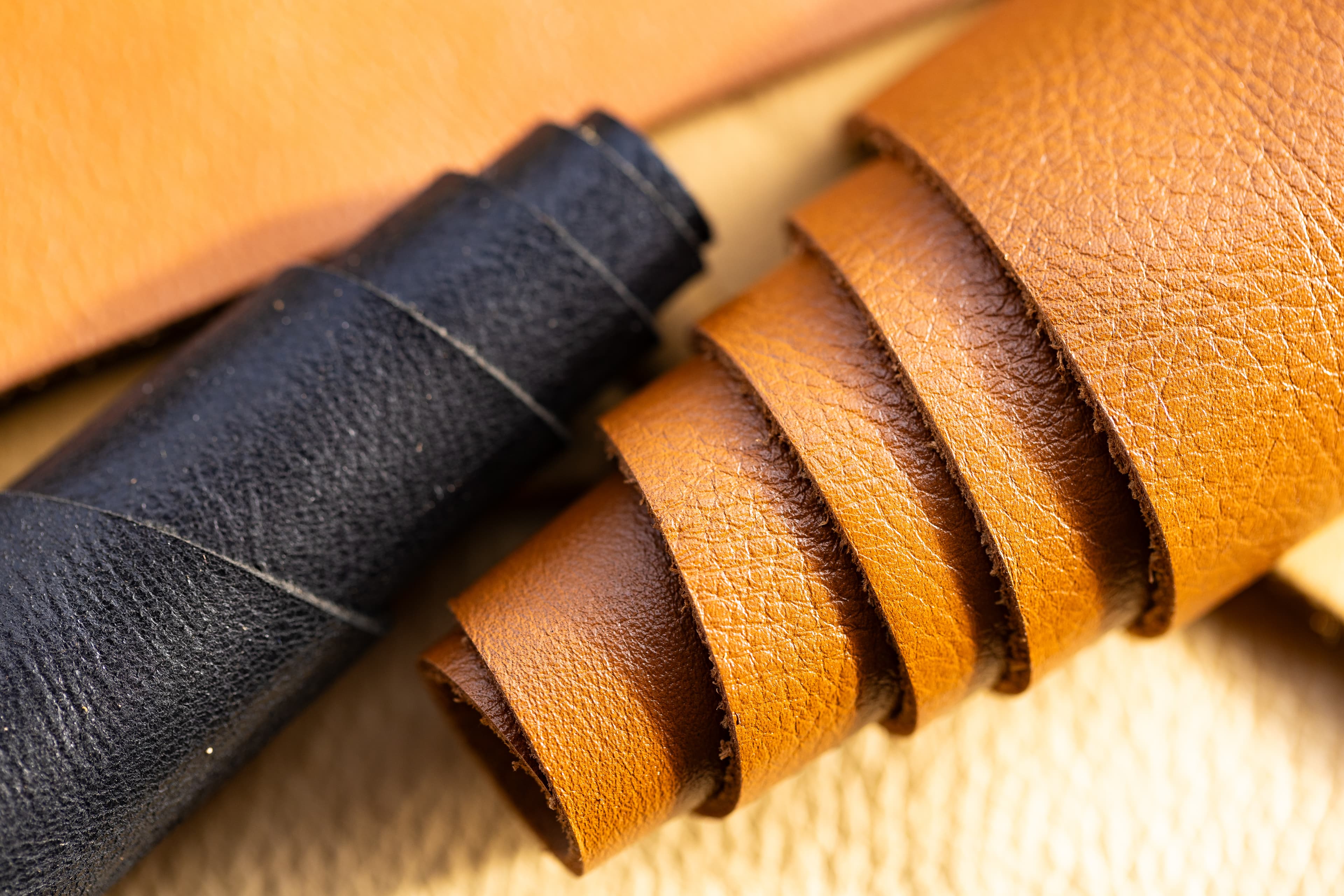
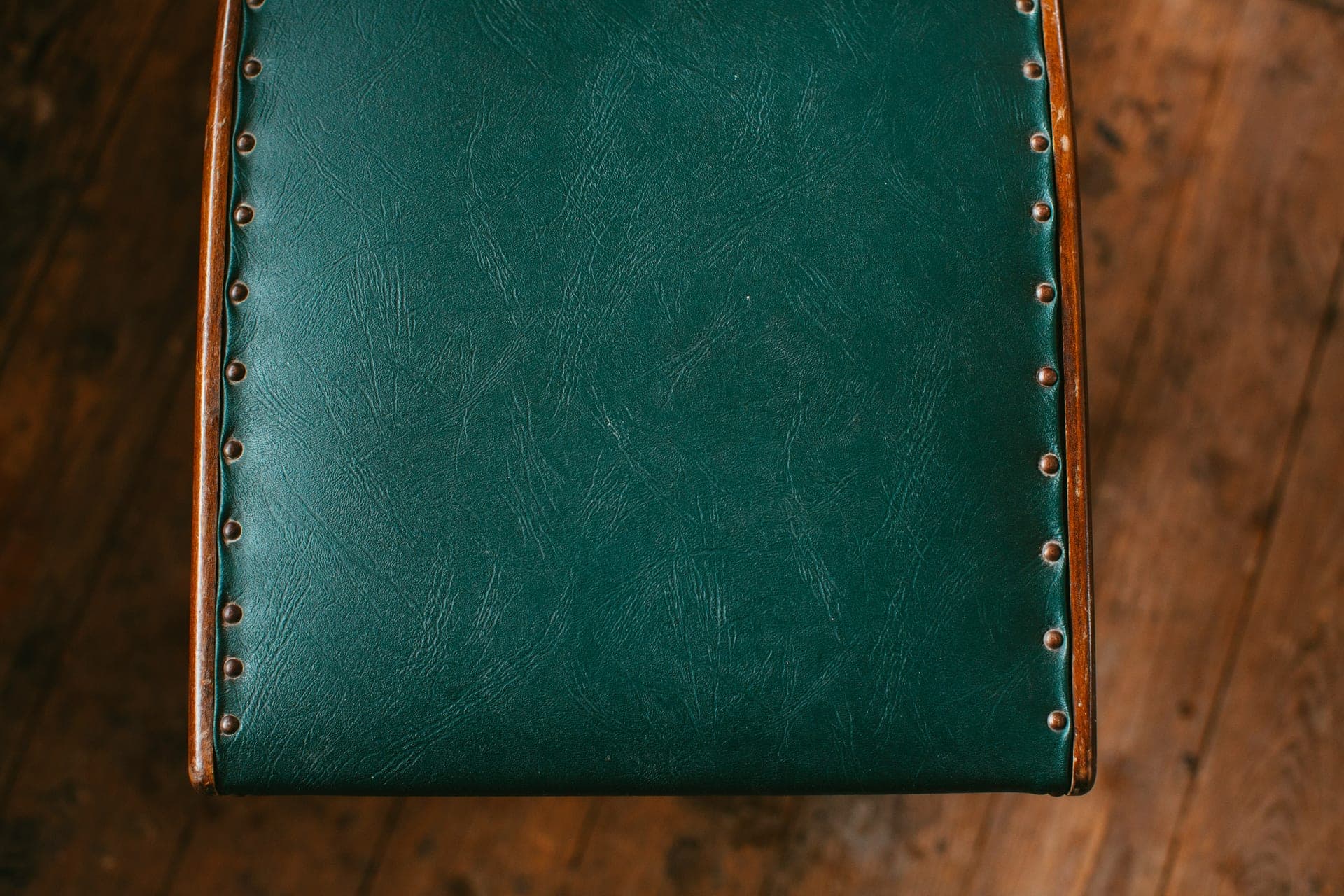
No two leathers are identical; natural variations are the material’s hallmark of authenticity. Contemporary finishes enhance the grain or add protection without erasing the personality of an aesthetic with depth that gains nuance over the years.
Premium value and noble touch
The feel and personality of genuine leather
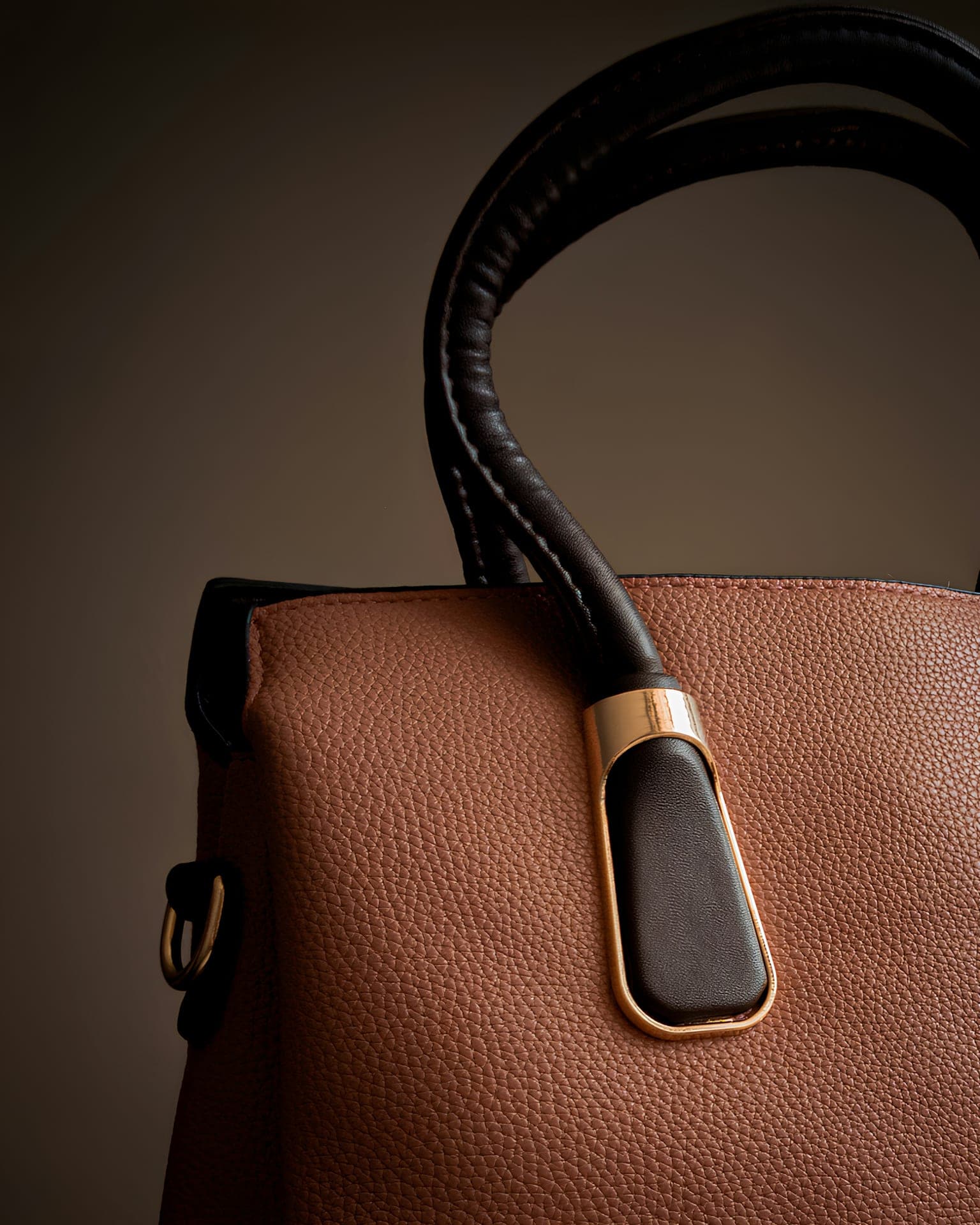
The texture, the thermal behaviour to the touch and the characteristic scent of leather reinforce its status as a noble material. The combination of craft and current technology conveys an excellence that is key for brands seeking a quality bond with their customers.
Frequently asked questions
The leather product
Answers for product, purchasing and communication teams at luxury brands: material, process and sourcing criteria.
How is a hide turned into leather?
After being recovered as a by-product of the meat industry, the hide goes through tanning processes that stabilise the collagen fibres: preparation, tanning (vegetable, chrome or combinations), finishing and quality control. The result is a durable material with mechanical and aesthetic behaviour defined for each application.
For a luxury collection, when does Full Grain matter versus Top Grain?
Full Grain keeps the surface layer of the hide with the natural grain intact: greater structural strength and a unique visual character in every piece. Top Grain lightly buffs the surface to even out imperfections and achieve more uniformity and lightness. Both are genuine, high-performance leather.
What do aniline or semi-aniline leathers bring to premium positioning?
Aniline is dyed with colourants that penetrate without hiding the natural grain: the history of the hide remains visible and the hand stays very open. Semi-aniline adds a light layer of pigment to even things out a little more and improve stain resistance.
How are vegetable and chrome tanning combined in high-end catalogues?
Vegetable tanning offers a firmer character at first and expressive ageing, very useful for timeless brands. Chrome tanning allows softness, stable colours and industrial volumes with uniform batches. Houses often combine lines depending on the collection.
Why does real leather remain relevant against synthetic coatings?
Synthetic coatings imitate the surface but do not replicate the fibrous collagen structure: breathability, behaviour over decades and the capacity for professional restoration tend to differ. For luxury brands, leather remains the benchmark when the brief calls for longevity and repair.
How should product teams read the "vegan leather" label?
It usually designates materials without animal hide, often polymer layers on a textile backing; composition varies widely. In luxury assortments it is advisable to request a technical data sheet, abrasion tests and a repair protocol before equating it with leather in terms of durability.
How long does leather last, and can it be repaired?
Fine leather is continuous in depth: with proper care it can last for decades and develop a patina. Creases, dryness or surface scratches are handled with professional cleaning and restoration. This longevity is central to high-end product warranty policies.
In which products and sectors is Catalan leather used?
Footwear, leather goods, automotive, furniture, fashion and accessories. The Catalan chain covers everything from technical leather to expressive finishes for luxury houses, exporting to regulated markets with demanding quality standards.
Does genuine leather "peel" like certain synthetics?
The visible flaking of plastic laminates comes from delamination between layers. Fine leather is continuous in depth; what appears over time are creases, patina or dryness, which are managed with cleaning and conditioning.